Water Coming Through the Ceiling: What to Do Immediately
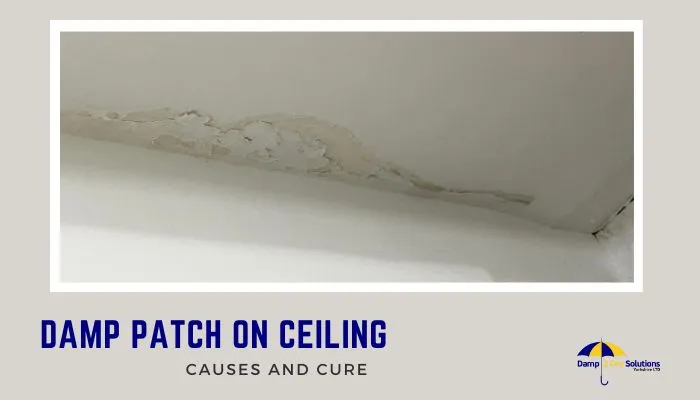
Water coming through your ceiling demands immediate action. Here are the urgent steps to take and why you need a 24/7 leak detection specialist now.
Urgent Steps to Take Right Now
When water starts dripping or pouring through your ceiling, every second counts. Your first priority is to prevent immediate damage and ensure safety. Do not ignore it or wait until morning. First, turn off the electricity to the affected area at your fuse box if it's safe to do so. Water and electricity are a deadly combination. Next, place buckets, bowls, or any large containers under the heaviest drips to catch the water. If you have towels and old sheets, use them to soak up pooling water on the floor to prevent slips and secondary damage.
Immediately locate your main water stopcock and turn off the water supply to the entire property. This is the single most effective action you can take to stop the flow and limit the destruction. It’s often located under the kitchen sink or near the water meter. Knowing its location beforehand is crucial for any plumbing emergency. Once the water is off, try to identify the source if possible. Is it directly under a bathroom, or near a water tank? This information is vital for our engineers when we dispatch.
Why You Need Professional Leak Detection Immediately
While stopping the visible drip is the first battle, the real war is against the hidden leak causing it. Water travels along pipes, beams, and insulation before it finally shows itself on your ceiling. The visible stain is just the endpoint; the source could be metres away. Our emergency leak detection engineers use specialised equipment like acoustic probes, thermal imaging cameras, and tracer gas to pinpoint the exact source of the leak without unnecessary destruction.
Delaying a professional investigation allows water to seep into structural timbers, insulation, and plaster. This leads to mould growth, wood rot, and significantly more expensive repairs. We operate 24 hours a day, 7 days a week because leaks don't respect business hours. Our rapid-response teams across London are geared to mobilise at any time, day or night, to locate the leak and advise on the necessary repairs. Waiting until regular business hours simply isn't an option.
What Happens After the Emergency Call
When you call our emergency line, we prioritise your situation. Our controller will gather key details to dispatch the nearest available engineer with the right equipment. Upon arrival, our engineer’s first goal is to confirm the water is off and make the area safe. They will then begin a non-invasive investigation to trace the leak's origin. We focus on minimal disruption; our detection methods are designed to find the leak accurately so any necessary access points are precise and limited.
Once located, we provide a clear explanation of the issue, whether it’s a burst pipe, a failed seal, or a leaking appliance. We can then carry out or recommend the required repair to stop the leak permanently. Following this, we advise on the essential next steps for drying out and restoring your property to prevent long-term issues like mould. Our service is built on urgency and resolution, from the first drip to the final repair, because in a ceiling leak emergency, speed is everything.
How we help with this
If the article describes a problem you actually have, these are the visits that deal with it.
- damp and moisture surveys
Moisture mapping that separates a leak from condensation or damp.
- our full guide to leak detection
How each method works and when it is the wrong tool for the job.
- leak detection in London
Finding a hidden leak without opening the property up first.
Frequently asked questions
Should I try to poke a hole in the ceiling bulge to drain the water?
No, this is dangerous and can cause a sudden collapse of soaked plasterboard. It also creates unnecessary damage. Your priority is to stop the water at its source by turning off the main supply and containing the drip with buckets. Leave any investigation of the ceiling void to our professionals who can assess it safely.
How quickly can an engineer arrive for a ceiling leak?
We treat water coming through ceilings as a critical priority. Our 24/7 emergency response network across London aims to have an engineer on-site in the shortest possible time, often within the hour for urgent cases. We dispatch the nearest available specialist with leak detection equipment straight to your location.
Will you need to tear down my ceiling to find the leak?
Not necessarily. Our primary approach uses advanced, non-invasive leak detection technology like thermal imaging and acoustic listening devices to pinpoint the leak's exact source from outside the ceiling. This allows for a targeted, minimal access point if a repair is needed, saving your property from unnecessary damage.