Emergency Heating Leaks
Central Heating Leak Detection London
A heating system losing pressure is the call that most often gets mishandled at both ends. Some people ignore it for a year while it quietly ruins a floor. Others pay a night rate for something that has not changed in a fortnight.
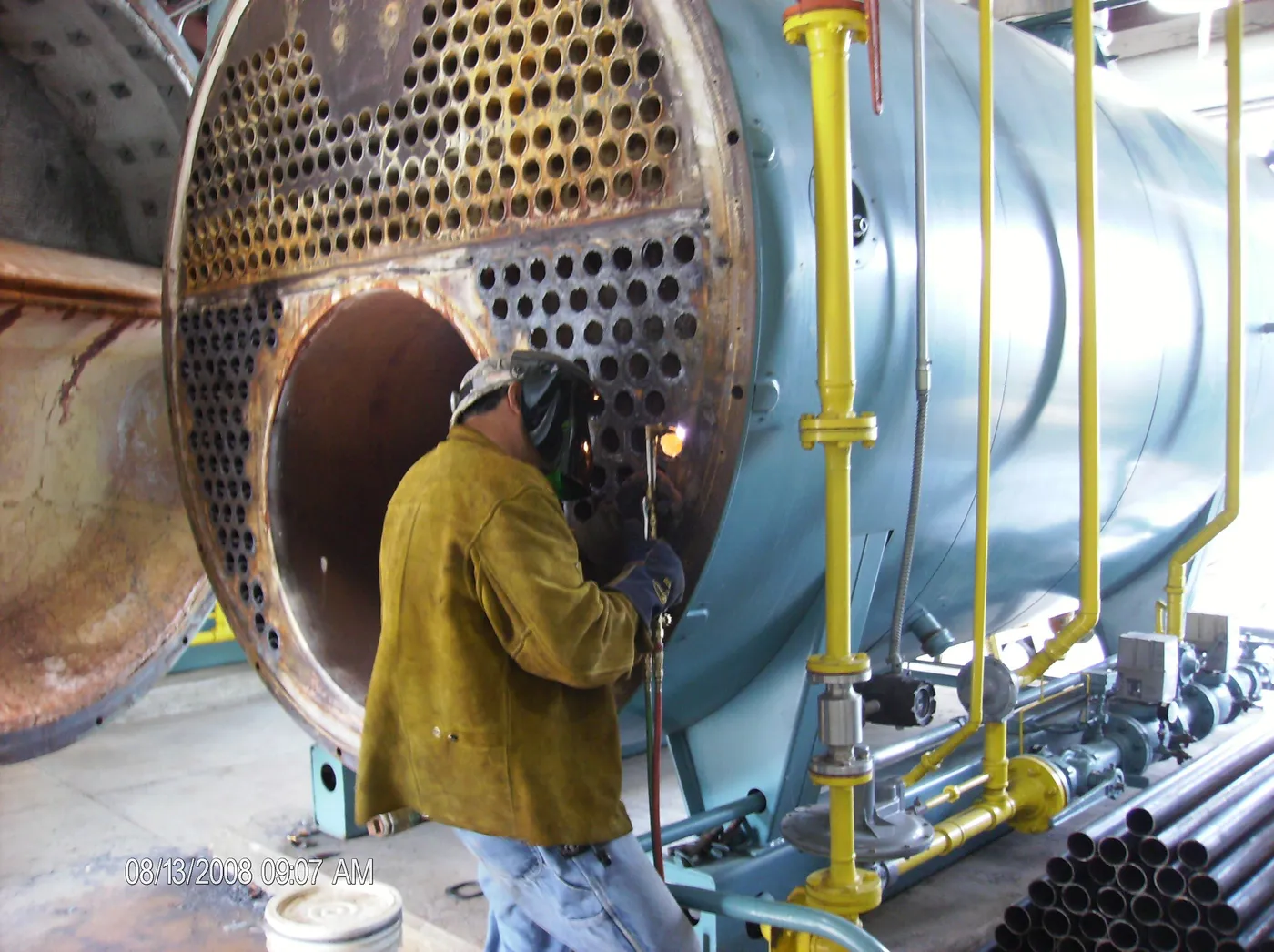
How a heating pressure-loss visit is priced
| Job | How it is charged | Time |
|---|---|---|
| Vessel and relief valve eliminated first | Part of the detection fee, not an add-on | Start of the visit |
| Each circuit isolated and held under test | Same fixed fee however many circuits there are | The bulk of the visit |
| Concealed run traced under boards or screed | Covered by the fee, longer slot booked at reservation | Can take most of a day |
| Attendance outside weekday hours | Out-of-hours band, confirmed before travel | Any hour |
| Repair to the circuit once located | Priced separately when you have seen the fault | Often the same visit |
How each stage is charged, not a quote. The detection fee is fixed and agreed on the call, before an engineer travels.
The useful question is how often you are topping up. Once a month is a slow fault worth booking into a daytime slot. Daily, or several times a week, means water is actively going somewhere inside your building and the gap between a cheap repair and a ruined ceiling is closing. Every refill also feeds fresh oxygenated water into the system, which is its own slow damage.
We triage that on the phone before anyone travels. If the boiler itself is the suspect rather than the pipework, we will say so, because a failed expansion vessel produces the same falling gauge with no water escaping anywhere and no amount of leak detection will find it.
Where it is the pipework, the survey starts by isolating and pressure testing each circuit so the loss is proven before anything is opened, then narrows to a point with thermal imaging, acoustic listening and tracer gas where screed or plastic pipe mutes the sound. Reachable pipework is repaired on the same visit; anything under a solid floor ends the visit located and stabilised, with the lifting booked for daylight.
We cover every London borough at every hour, from vented systems in period conversions to sealed combi systems and underfloor loops in newer flats.
Our pricing is transparent. After a rapid initial assessment, we provide a clear quote for the detection service. Any necessary repair work is quoted separately before proceeding.
What you get
- 24/7 Emergency Call-Out: Immediate response, day or night, weekends and holidays included.
- Rapid London-Wide Dispatch: Engineers deployed fast across central and Greater London.
- Non-Invasive Detection First: Using acoustic listening, thermal imaging, and tracer gas to pinpoint leaks behind walls and under floors.
- Specialist Boiler & Pressurised System Knowledge: Expert diagnosis for combi boilers and sealed heating systems common in London flats.
- All Heating Components Covered: Tracing leaks in pipes, radiator valves, manifolds, and within the boiler itself.
- Clear, Immediate Advice: On-site diagnosis and repair options explained straight away to stop the leak.
How it works
A method, not a guess
01
How often are you topping up?
The answer sorts this into a same-night job, a next-day booking or a boiler problem that is not a leak at all. We ask it first, on the phone, before quoting anything.
02
Rule the boiler in or out
Isolating the boiler at its flow and return valves separates an internal fault, such as a failed expansion vessel or a passing relief valve, from a genuine leak in the circuit.
03
Pressure test circuit by circuit
Each circuit is isolated and tested so the loss is proven to a specific loop before any floor is touched. Guesswork here is what produces holes in the wrong room.
04
Pinpoint, then repair or stabilise
Thermal, acoustic and tracer gas narrow it to a marked point. Reachable pipe is repaired on the visit; screed and underfloor work is made safe and booked for daylight.
7 things to know before you book central heating leak detection in London
How often you top up is the whole triage
This one question sorts heating calls better than any survey. Topping up once or twice a year is normal maintenance. Once a month is a slow fault that belongs in a daytime slot. Weekly means water is actively going into your building. Daily means you should stop topping up and get it located, because the gap between a cheap pipe repair and a ruined ceiling is closing. Log the gauge morning and night for a few days before you call anyone: the pattern is the most useful thing you can hand an engineer.
Almost never an emergency, and you should be told so
A sealed system losing pressure will not flood your home tonight. Any firm that responds to a falling gauge by dispatching at a night rate is selling you urgency you do not have. The genuine exceptions are visible water on a floor, a radiator or valve actively weeping, or a ceiling staining beneath a heating pipe run, all of which are leaks in the ordinary sense and should be treated as such. Everything else is a booking, not a call-out.
Rule out the boiler before you pay anyone to hunt pipes
A failed expansion vessel, a passing pressure relief valve discharging outside or a faulty filling loop all drop the gauge with no water escaping into the building at all. Detection equipment will find nothing, because there is nothing to find. You can test this for free: repressurise, close the flow and return valves under the boiler, and read the gauge eight to twelve hours later. Pressure falling with the valves shut points at the appliance and a Gas Safe engineer. Falling only with them open points at the circuit and a leak survey.
Ask what the system will be like overnight
It matters in January. A competent survey isolates and pressure tests each circuit separately, which often means the failing loop can be shut off while the rest of the property keeps running. Ask before booking whether the plan is to isolate the affected circuit or drain the whole system, because a drained system in midwinter turns a manageable problem into a cold night and, in older properties, a round of airlocks and bleeding afterwards.
Every top-up is doing quiet damage of its own
Refilling introduces fresh oxygenated water and dilutes the corrosion inhibitor that protects your radiators and boiler. Over months that breeds sludge and rust, shortens the life of the appliance and can turn one weeping joint into several. Heating engineers generally treat frequent top-ups as evidence of an active fault rather than a routine chore. If you have been topping up weekly for a season, the leak is no longer the only thing that needs attention.
Leak sealer is a last resort, not a first response
A chemical sealer squirted into the system works only on pinhole weeps, is regarded on trade public discussion as roughly a coin flip, and typically buys a year or two at best. It can also clog the narrow waterways of a modern condensing heat exchanger, and some manufacturers treat its use as grounds to refuse a warranty claim. It contaminates the system, which is one reason some detection firms exclude previously dosed heating circuits from their guarantees. If someone reaches for sealer before offering to locate the leak, you will be paying for this twice.
Get the total figure, not an hourly rate, before anyone is booked
A heating trace is a multi-stage job: isolate, pressure test each circuit, then thermal, acoustic and tracer gas as needed. On an open-ended hourly clock that is exactly the kind of work that runs long. Checkatrade publishes hourly diagnostic rates of £95 to £145 and a full job spread of £80 to £1,600, with £162 the recorded average, so the difference between a stated visit fee and an hourly meter is not small. Ask one question before booking: what is the maximum I pay if you find nothing?
Compare like for like
Pressure keeps dropping: what a good visit rules out first
A sealed heating system losing pressure is the most commonly misdiagnosed job in the trade, because a failed expansion vessel produces exactly the same gauge behaviour as a hidden leak while not a drop of water escapes anywhere. Any visit that starts by hunting pipework, rather than by eliminating the boiler's own components, is starting in the wrong place and can cost you a great deal to find that out.
| What to check | A firm that goes straight to the floor | A detection-only firm | How we run the call |
|---|---|---|---|
| Where the visit begins | With a damp meter over the floor, looking for the leak that has been assumed rather than established. | With detection kit, because detection is what was booked, whether or not it is what is needed. | With the expansion vessel and the relief valve, because those account for a large share of pressure loss with no leak at all. |
| How urgent this really is | Treated as an emergency, since an emergency is worth more than an appointment. | Treated as a routine survey even when the system is dumping water into a floor void. | A gauge falling over weeks is a booked morning job. One falling in an hour is not. We will tell you which one you have. |
| What you can do before we come | Nothing suggested, since anything you do yourself shortens the visit. | Nothing, because the survey is the product. | Top up once, note the time, and see how long it holds. That single number changes how the visit is planned. |
| Testing the circuits | The whole system is looked at as one, so a fault on one loop is never isolated. | Tested properly, though usually only after a full survey has already been charged for. | Each circuit is closed and held separately. Which one will not hold tells us where to look before any floor is touched. |
| The overflow outside | Not checked, so a discharging relief valve is missed entirely and the floor comes up for nothing. | Sometimes checked, depending on who turns up. | A dripping outside pipe is a classic pressure-loss cause and takes thirty seconds to check. It gets checked. |
| Heat on when you are asleep | The system is left running, so the leak carries on all night pushing water under the floor. | No advice given either way outside the appointment. | If a circuit is confirmed leaking we will tell you how to shut just that loop and keep the rest of the heating on overnight. |
| Finishing the job | The location is handed over and the repair becomes your problem to arrange. | Detection only, so a second trade is always required. | Where the run is reachable, the same visit can carry on into the repair rather than ending at a marked spot. |
From the forums
The questions that come up when a leak starts
Search public discussion and the UK DIY public discussion for "boiler losing pressure" and you find the same story on repeat: months of top-ups, a parade of engineers, replaced parts, and a leak nobody has actually located. Here is what London homeowners consistently report.
On public discussion's public discussion, homeowners stuck in the parts-replacement cycle
A recurring thread type: pressure has been dropping for a year or more, the heat exchanger or expansion vessel has been replaced under warranty visits, sealant has been dosed in, and the gauge still falls - with the boiler engineer and the detection firm now blaming each other. The homeowner ends up switching the heating off entirely, out of pocket and no wiser. Our take: this deadlock is almost always resolved by pressure testing each circuit in isolation, which proves whether the loss sits in the boiler or the pipework before another part is bought.
On public discussion, tradespeople and homeowners asking whether leak detection firms are worth it
The sentiment is bluntly sceptical: contributors say they hear far more complaints than success stories, comparing parts of the industry to rising-damp surveying, and compare fixed-fee and hourly arrangements for firms carrying thermal, acoustic and tracer gas kit. The scepticism is usually earned by single-method operators who scan, shrug and invoice. Our take: the criticism is fair, and the fix is structural - carry every method on every visit and tie the fee to a genuine no-find-no-fee guarantee, so a failed survey costs the firm, not the customer.
On public discussion, homeowners confused by trace-and-access insurance wording
A common shock: an insurer refuses to send contractors because there is no visible water damage yet, even though the boiler is plainly losing pressure - one poster had already paid for a succession of plumbers and a detection visit before learning the cover only responds once damage exists, and never pays for the faulty pipe itself. Others had claims queried because the paperwork did not evidence cause and origin. Our take: read your policy's trace-and-access clause before booking anyone, photograph any staining or swelling early, and make sure the detection report is written for a loss adjuster, not just for you.
On UK plumbing public discussion, engineers debating leak sealer as a quick fix
Trade consensus is that sealer is a coin-flip that buys a year or two at best, only ever works on tiny weeps, and carries real risk of clogging the fine waterways in modern condensing boilers - with several noting manufacturers can void the warranty over it. Homeowners repeatedly report it holding for a day or a season before the leak returns. Our take: sealer has a narrow, last-resort role, but dosing it before the leak has been located is a bodge that contaminates the system and makes proper detection harder later.
Across public discussion and DIY public discussion, homeowners swapping free self-diagnosis tricks
The best community advice is refreshingly cheap: isolate the boiler at its valves overnight to see whether the loss is inside the appliance or out in the pipework, tie a strip of tissue under radiator valve joints to catch invisible weeps, and keep a morning-and-night pressure log for a week before calling anyone. Posters who did this arrived at the phone call already knowing which trade they needed. Our take: do all three - a good detection engineer will ask for exactly that history, and it can shave hours off the survey.
Symptoms
Is it a heating leak or the boiler?
Pressure loss on a sealed system is not always a floor leak. We separate boiler faults from pipework before opening anything.
- Boiler pressure drops to zero every few days
- Need to top up weekly with no visible wet patch
- Radiator still cold on one branch after bleeding
- Damp near a radiator valve or under a floor
- Pressure relief valve discharging into the tundish
Helpful checks before we arrive
- 1Note how fast pressure falls (overnight vs over a week).
- 2Check whether the pressure relief tundish has been dripping.
- 3List which radiators are on which floors if you know the layout.
- 4Do not keep topping up right before the visit if we need to measure loss rate.
Expansion vessel first
A failed expansion vessel mimics a hidden leak with no water leaving the system. We pressure-test the boiler and each circuit separately so you do not pay for a floor survey when the fault is in the airing cupboard.
Book a visitLondon housing stock
Built for how London actually leaks
Housing stock across the capital fails in different ways. We match the method to the building, not a one-size survey script.
Victorian & Edwardian terraces
Original floorboards, cast-iron stacks and decades of patch repairs. We pressure-test circuits and listen through timber before any board is lifted.
Mansion blocks & conversions
Shared risers, stacked bathrooms and flat-to-flat disputes. Origin reports settle liability between leaseholders, freeholders and block insurers.
Post-war & 1970s stock
Copper branches, cold-water tanks and ageing joints. Acoustic and thermal methods locate slow drips that never show as a flood.
New-build flats & towers
Plastic pipe, underfloor heating and boosted mains. Tracer gas and thermal imaging matter more than a listening stick alone.
Questions
Heating Leaks FAQs for London homeowners
Is a dropping boiler pressure an emergency tonight?
Usually not in the flood sense, and we will say so rather than dispatch at a night rate. It becomes urgent within days rather than months once you are topping up more than about once a week, because that water is going into your building and every refill dilutes the corrosion inhibitor protecting the boiler and radiators.
What should I do before you arrive?
Log the pressure reading morning and night for a day or two if the situation allows, because the pattern tells us a great deal. Stop topping up more than necessary. If you can reach the boiler's flow and return valves, closing them overnight and checking the gauge afterwards is the single most useful test you can run for free.
Can you leave my heating working while you investigate?
Where it is safe to, yes. Isolating the failing circuit rather than draining the whole system often keeps most of the property warm overnight, which matters in winter and buys time to do the repair properly in daylight rather than at 3am.
The pressure drops but I cannot find any water. Is that possible?
Very. A failed expansion vessel, a passing pressure relief valve discharging outside through the overflow, a faulty filling loop or a cracked heat exchanger will all drop the gauge with nothing wet in the building. This is why the boiler is ruled in or out before anyone goes looking for a pipe.
Do you work on underfloor heating and sealed systems?
Yes, both, alongside older vented systems with a tank in the loft. Underfloor loops are traced with thermal imaging and tracer gas rather than by lifting the floor speculatively, because opening a screeded floor in the wrong place is the most expensive mistake available on this kind of job.
Are you available for heating leaks at night and at weekends?
Yes, in every band, all year. Whether you should use that is a separate question, and one we will answer honestly on the call. Most heating leaks are better served by a first daytime slot than by a night visit, and the rate reflects that.
Is a boiler losing pressure an emergency?
Rarely in the same sense as a burst pipe. A slow drop will not flood your home tonight, so it belongs in a daytime slot rather than a night call-out. It does become urgent within days once you are topping up more than about weekly, because that water is escaping into the fabric of the building and each refill dilutes the inhibitor protecting the system. Visible water, a weeping valve or a staining ceiling changes the answer immediately.
What can I do myself before booking anyone?
Three free things. Log the pressure morning and night for several days so the rate of loss is a fact rather than an impression. Close the boiler flow and return valves overnight and read the gauge afterwards to separate an appliance fault from a circuit leak. Tie a strip of tissue under each radiator valve and check it in the morning, because slow weeps at valve tails are common and easy to miss on a dark floor.
Can a boiler lose pressure with no leak at all?
Yes, and it is one of the most common outcomes. A failed expansion vessel, a pressure relief valve passing to an outside discharge pipe, a leaking filling loop or a cracked heat exchanger will all drop the gauge with nothing wet indoors. This is why the appliance should be ruled in or out before anybody starts looking for pipework, and why a survey that begins by lifting floors is the wrong order of operations.
Will I be left without heating while you investigate?
Usually not for long. Where the loss can be isolated to one circuit, that loop is shut off and the rest of the system stays usable, which matters in winter and takes the pressure off deciding everything in one night. A full drain-down is only sensible once the repair itself is happening, which is normally a daytime job rather than something to rush through at 3am.
How long does a heating leak survey take?
Typically a few hours. The pressure testing stage that isolates the failing circuit usually takes the first thirty to sixty minutes, and the pinpointing that follows can be quick with a clear thermal or acoustic signal or considerably longer under a screeded floor. Treat both extremes with suspicion: nobody traces a whole system properly in twenty minutes, and nobody should be billing an open-ended hourly rate without giving you an expected range.
Can you attend a heating leak at night?
Yes, in every band, all year. Whether you should is a different question and we will answer it honestly on the call. For most falling gauges the right answer is a first daytime slot at the standard rate, with instructions for the interim. For water visibly escaping from a heating pipe or radiator, it is a call to make straight away, starting with isolating the system at the boiler.
Explore the cluster
Related leak detection services & guides
Leak detection London
Hub page for multi-method surveys
Acoustic detection
Listen for pressurised pipe noise
Thermal imaging
Map wet and warm anomalies
Tracer gas
Find plastic-pipe and screed leaks
Underground leaks
Supply pipe and mains traces
Trace & access
Insurer-ready reports
Pricing
Fixed fees and no find no fee
Areas we cover
All 33 London boroughs
Leak detection guide
How methods compare
Insurance claims
Escape of water explained
London-wide
Heating Leaks across all 33 boroughs
Same multi-method kit and fixed-fee approach from Barking to Richmond. Pick your borough for local housing detail.
People also book
Thermal Imaging
An infrared camera shows a wet floor in minutes rather than hours, which is why we bring one to every urgent London callout, day, night or weekend.
Learn moreUFH Leaks
A leaking UFH loop soaks a screed slowly and silently.
Learn moreLeak Repair
We stop the water first and repair it properly second.
Learn moreWater going somewhere it shouldn't?
Tell us the symptoms and your postcode. We'll confirm the visit, the fixed detection fee and the arrival window before you commit to anything.
Book a detection visit