Drying Out Your Home After a Water Leak: Emergency Steps to Take
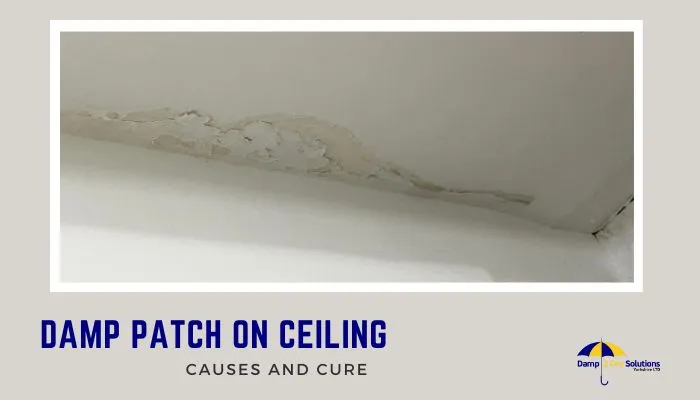
A water leak demands immediate action to prevent structural damage and mould. We outline the urgent drying steps and why calling for professional help fast is critical.
Why Speed Is Everything After a Leak
The moment you discover a water leak, the clock starts ticking. Water spreads quickly, soaking into floors, walls, and possessions. Within hours, secondary damage like warping and mould growth can begin. Our emergency response teams see it daily: acting fast is the single biggest factor in limiting repair costs and disruption. This isn't a job for tomorrow. It's a job for right now.
Immediate Action: Your First Steps
First, if safe to do so, shut off the water at the main stopcock. This is non-negotiable. Then, call for emergency leak detection. While you wait for our engineers, start removing standing water with mops, towels, or a wet vacuum. Move furniture and rugs away from the affected area. If electricity is a concern, switch it off at the fuse box. Our priority is stopping the flow and containing the spread; yours is to begin the salvage operation immediately.
The Professional Dry-Out Process
Once our team arrives, we locate the source precisely, often using acoustic or thermal imaging equipment. After making the necessary repair, the real work of drying begins. We don't just wipe up surface water. We use industrial-grade air movers, dehumidifiers, and moisture meters. These tools draw moisture out of structural materials like subfloors and plaster, which is essential to prevent mould. We monitor progress until your home is certified dry. Attempting this with household fans alone often leads to hidden damp pockets and future problems.
What Happens If You Wait?
Delaying the professional drying process risks severe consequences. Damp timber rots. Plaster crumbles. And mould spores, which can begin growing within 24-48 hours, pose health risks and are extremely costly to remediate. The initial leak repair is often the simplest part; the subsequent restoration work is where costs skyrocket. Our 24/7 response exists precisely to help you avoid this downward spiral. A call at 3 AM is always better than a call in three days' time.
Don't assume a small leak means small problems. A persistent drip inside a wall cavity or under a floor can cause immense damage before you ever see a stain on the ceiling. If you suspect a hidden leak (signalled by unexplained damp patches, a musty smell, or a mysteriously high water bill), call for urgent leak detection. Our engineers are trained to find and fix the source before the drying-out process even needs to begin.
How we help with this
If the article describes a problem you actually have, these are the visits that deal with it.
- leak detection in London
Finding a hidden leak without opening the property up first.
- burst pipe repair
A split or burst pipe isolated and repaired, day or night.
- an emergency plumber in London
Attendance when water is running and damage is still spreading.
Frequently asked questions
How quickly should I start drying out after a leak?
Immediately. Begin removing water and ventilating the area as soon as the flow is stopped. However, for thorough structural drying, professional equipment is required. Call our emergency team day or night to start the process properly and prevent mould.
Can I dry out my home myself with fans?
Household fans only address surface moisture. They cannot effectively draw water out of saturated floorboards, concrete, or wall cavities. Our engineers use industrial dehumidifiers and air movers designed for this exact purpose, monitored with moisture meters to ensure a complete dry-out.
Do you offer 24/7 emergency drying services?
Yes. Our leak detection and repair service operates around the clock, every day of the year. The drying process is a critical part of our emergency response. The sooner we can begin, the more damage we can prevent, so we dispatch engineers without delay.