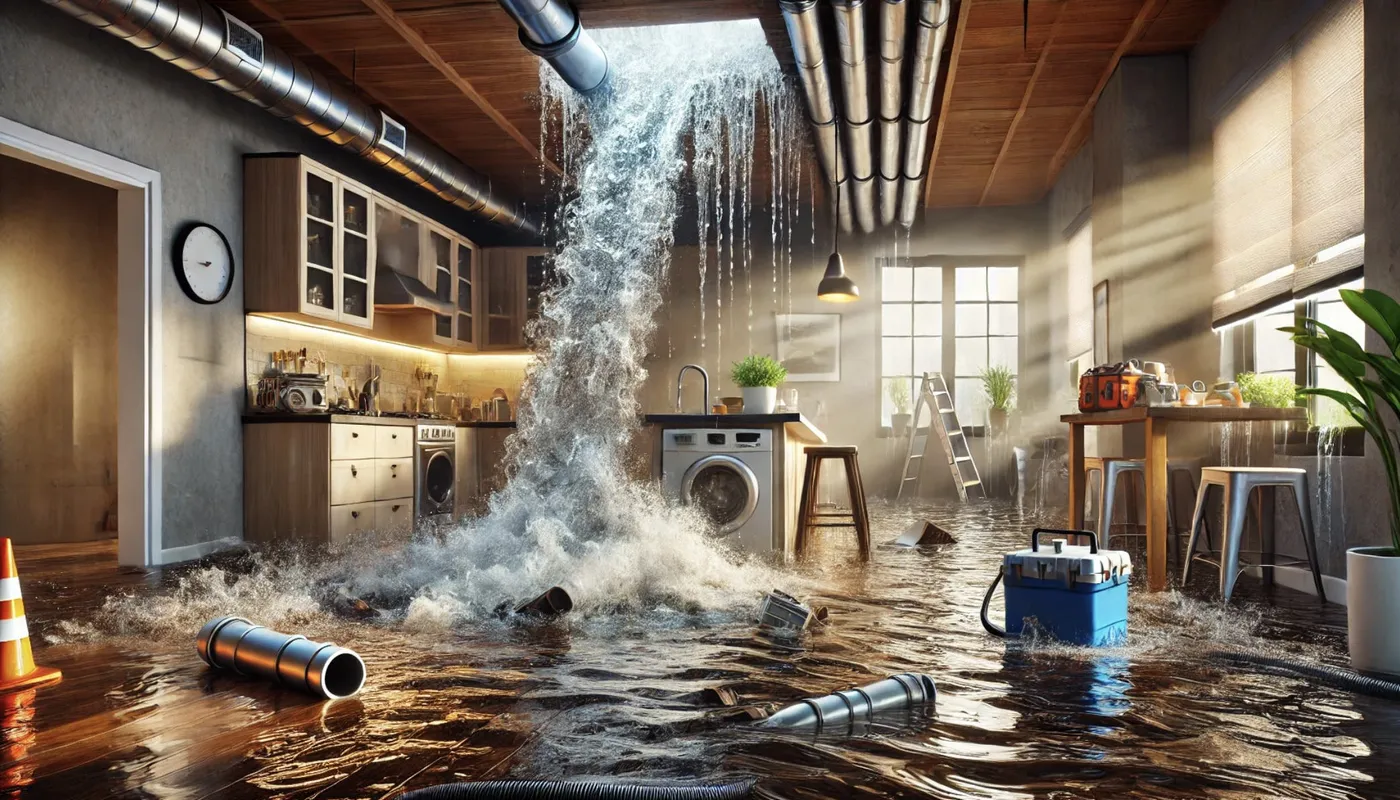
A burst pipe in winter demands immediate action. Learn the critical steps to take and why a 24/7 emergency plumber is your only solution to prevent catastrophic damage.
Immediate Action: Your First 3 Steps When a Pipe Bursts
A burst pipe in winter isn't just an inconvenience; it's a flooding emergency that escalates by the minute. Your response in the first few moments is critical. First, locate and turn off the main water stop tap immediately. This is your single most important action to stop the flood at its source. Second, switch off your central heating and any immersion heaters to prevent damage to the system. Third, if it's safe to do so, turn off the electricity at the consumer unit for any affected areas – water and electricity are a lethal combination. This isn't a DIY fix. This is about damage limitation until our emergency engineers arrive.
Why You Can't Wait: The 24/7 Emergency Response
Water damage doesn't respect business hours. A burst pipe at 2 AM on a Sunday in January needs the same urgent, expert response as one at 2 PM on a Tuesday. That's why our leak detection and repair teams operate 24 hours a day, 365 days a year. We don't operate a call-out service; we provide an emergency dispatch. When you call, you speak directly to a coordinator who mobilises the nearest available specialist engineer. They come equipped with professional-grade thermal imaging, acoustic listening devices, and tracer gas systems to find the exact source of the leak fast, often without destructive searching, so we can get to the repair immediately.
Waiting until morning is not an option. In sub-zero temperatures, the water will freeze, complicating the leak and spreading ice damage. Meanwhile, saturated walls, floors, and ceilings are at immediate risk of structural compromise and mould growth. The faster a specialist isolates and repairs the burst, the less you'll face in secondary restoration costs. Our entire process is built on speed: fast call answering, fast dispatch, fast detection, and fast, permanent repair.
Beyond the Stop Tap: What Our Emergency Engineers Do
Once our engineer is on site, the real work begins. We don't just patch the pipe; we perform a definitive repair or replacement of the damaged section. First, we use non-invasive technology to confirm the exact point of failure, even if it's hidden under a floor or behind a wall. This precision prevents unnecessary damage to your property. We then carry out the permanent fix using industry-standard methods and materials.
Crucially, we also assess the cause. Was it frozen water expanding in an uninsulated pipe? Was it pre-existing corrosion exacerbated by the cold? We'll advise on necessary follow-up actions, like lagging other vulnerable pipes or checking your insulation, to prevent a recurrence. Our job is to resolve your immediate crisis and help safeguard your property against the next freeze. When every second counts, you need a team that moves at the pace of the escaping water.
How we help with this
If the article describes a problem you actually have, these are the visits that deal with it.
- burst pipe repair
A split or burst pipe isolated and repaired, day or night.
- an emergency plumber in London
Attendance when water is running and damage is still spreading.
- our full guide to leak detection
How each method works and when it is the wrong tool for the job.
Frequently asked questions
How quickly can you get to me for a burst pipe?
We treat every burst pipe as a priority-one emergency. Our 24/7 control centre dispatches the nearest available specialist engineer immediately. We aim for the fastest possible response, day or night, with no delayed call-outs.
Can I temporarily fix a burst pipe myself?
We strongly advise against it. A burst pipe requires a permanent, professional repair to prevent further failure and water damage. Temporary fixes like clamps or tape often fail under pressure, leading to more flooding. The safest action is to shut off the water and call an emergency specialist.
Why is a burst pipe in winter considered such an urgent emergency?
The volume of water from a burst pipe causes immediate and severe flooding, damaging structures, electrics, and belongings. In freezing conditions, this water can also ice over, creating hazards and expanding damage. The longer it flows, the more catastrophic and expensive the restoration becomes. Immediate professional intervention is the only way to limit the loss.