How to Find the Stopcock in a Flat | 24/7 Emergency Guide
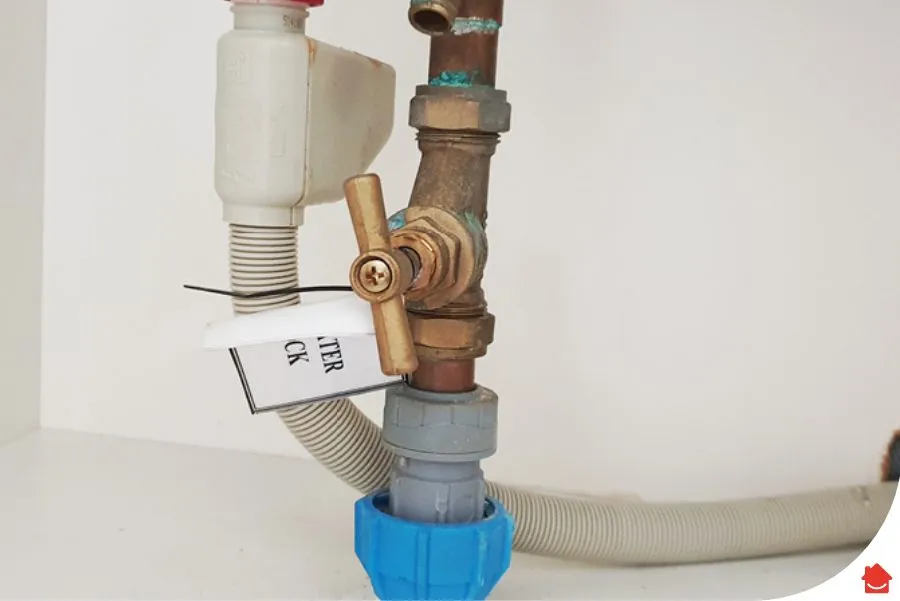
A burst pipe won't wait. We show you where to find the main stopcock in your flat to shut off the water immediately, and what to do if you can't locate it.
Stop the Water Before the Damage Spreads
When a pipe bursts or a fitting fails in your flat, every second counts. The first and most critical action is to shut off the main water supply using the stopcock. Water damage escalates rapidly, soaking floors, ceilings, and belongings. We attend emergencies daily, and the single biggest factor in limiting destruction is how fast the water is turned off. If you're reading this during a leak, scan this guide quickly, then act.
Where to Look for Your Flat's Main Stopcock
The main internal stopcock is your responsibility as the occupant. It's usually a brass valve on a 15mm or 22mm pipe. Start your search here: under the kitchen sink is the most common location. Check at the back, near the wall. If not there, look in adjacent cupboards, utility cupboards, or under bathroom sinks. In some flats, especially older conversions, it might be in a hallway cupboard, under stairs, or even concealed behind a small access panel in a skirting board.
Turn the valve clockwise until it stops to shut off all water to your flat. It may be stiff. Use a pair of grips if necessary, but turn slowly to avoid shearing the valve. If you live in a block, there may also be an external stopcock for the building, but accessing this often requires contacting a managing agent or freeholder, which costs precious time.
Can't Find It? This Is an Emergency Call-Out
If your search comes up empty as water pools on the floor, do not waste another minute. This is a direct 24/7 emergency. Our engineers are trained to locate concealed stopcocks quickly. We carry detection equipment to trace pipework and identify the valve's position, often behind panels or under floorboards. We respond around the clock because leaks don't respect business hours. While you wait, use towels, buckets, and containers to contain the flow as best you can, and move any valuable items out of the way.
Once our engineer isolates the supply, we can immediately begin leak detection and repair. Remember, the priority is always stop the flow, then find the source. A slow drip from a ceiling or a wall can indicate a leak in another flat or in the communal pipework, which also requires urgent professional attention to prevent structural damage.
Be Prepared: Locate It Before a Crisis
Don't wait for a disaster. Take two minutes today, while the water is off, to find and test your main stopcock. Ensure it turns freely. If it's seized or inaccessible, arrange for a plumber to replace it. This simple step is the most effective emergency preparedness you can do for your home. Knowing its location gives you the power to act instantly, potentially saving thousands in repair costs. For peace of mind, our team can also identify and label it for you during any routine visit.
But if you're facing water right now and the valve is lost, stuck, or broken, that's our signal to move. We operate a fast-response system for exactly this scenario. A rapid, expert intervention limits the damage, reduces restoration time, and gets your water back under control safely.
How we help with this
If the article describes a problem you actually have, these are the visits that deal with it.
- our full guide to leak detection
How each method works and when it is the wrong tool for the job.
- burst pipe repair
A split or burst pipe isolated and repaired, day or night.
- an emergency plumber in London
Attendance when water is running and damage is still spreading.
Frequently asked questions
What if my stopcock is completely stuck and won't turn?
Do not force it, as you risk snapping the valve and making the situation worse. This is a common emergency call-out. Our engineers have the tools to free seized valves or, if necessary, install a new isolation valve immediately to stop the water.
I live in a rented flat and can't find the stopcock. Who is responsible?
Your landlord is responsible for ensuring you know the location of the main stopcock and that it is in working order. However, during an active leak, waiting for them to respond can lead to severe damage. We can attend urgently to locate and operate it, and provide a report for your landlord.
You've turned off my water. How long until the leak is fixed?
Our first priority is always emergency containment, stopping the flow. Once the water is off, we use electronic leak detection and thermal imaging to pinpoint the source without unnecessary damage. Repair times vary by the issue, but we work swiftly to get your water restored safely. We provide clear timelines once the leak is located.