How to Drain Down a Central Heating System Safely & Quickly
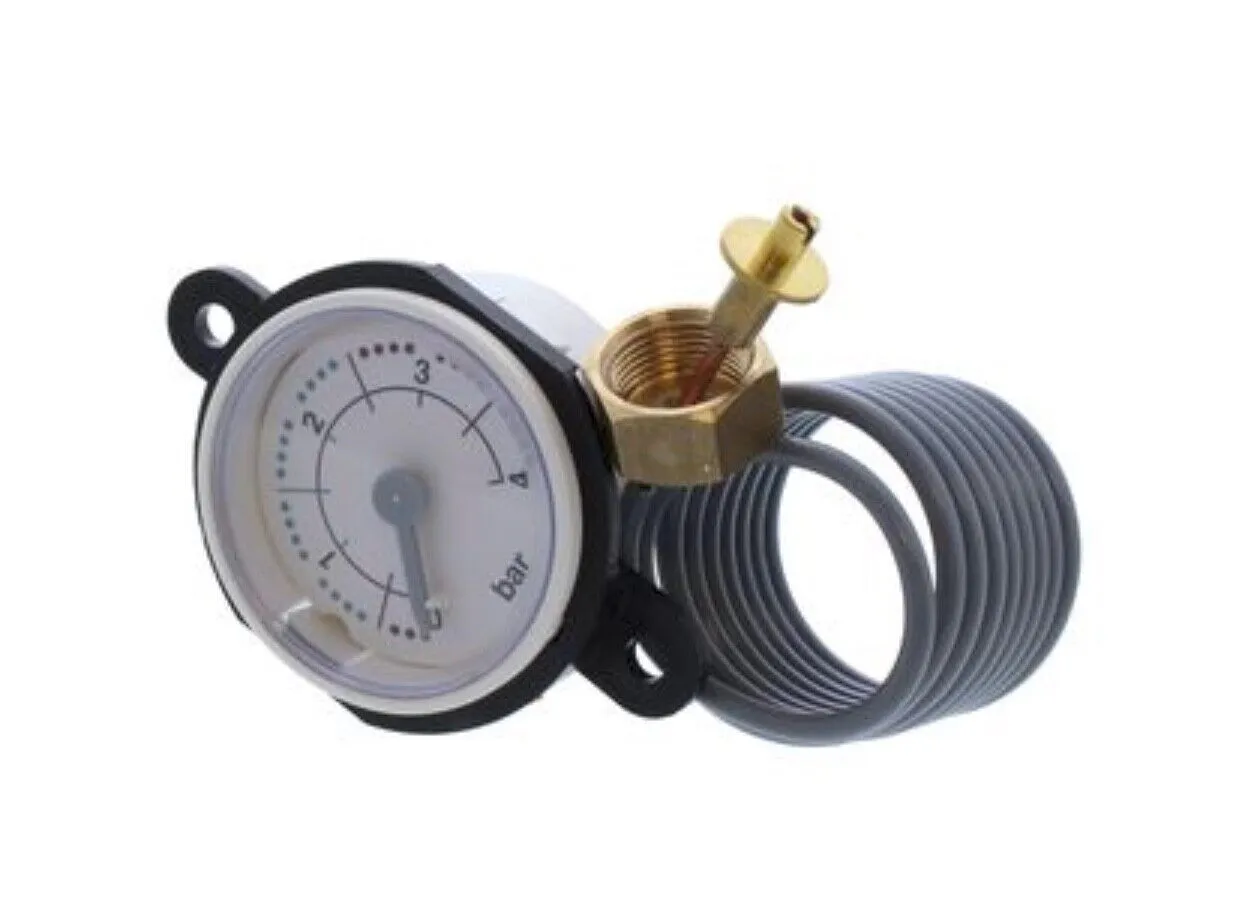
A complete step-by-step guide to draining your central heating system safely and efficiently, including when to call our 24/7 emergency engineers.
Why You Might Need an Emergency Drain Down
When a leak springs in your central heating system, time is your enemy. Water damage escalates by the minute, threatening floors, ceilings, and property. Draining the system is the critical first step to stop the flow, assess the damage, and make repairs. Whether you're facing a burst pipe, a leaking radiator valve, or need to replace a component, knowing how to drain down quickly can prevent a major disaster. Our emergency engineers perform this urgent task daily, but if you need to act immediately before help arrives, this guide is for you.
The Fast-Track Guide to Draining Your System
Act with urgency but also caution. First, turn off the boiler and the central heating system at the mains. This is non-negotiable for safety. Next, locate your drain-off valve. It's usually a small tap or hose connection on the lowest pipework or radiator. Attach a hose long enough to run to an outside drain or a large bucket. Open the bleed valves on the highest radiators in the house first to let air in, then open the drain-off valve. The system will now begin to empty. Remember, the water can be hot and discoloured. Allow it to flow until it stops completely.
While the system drains, identify and isolate the leak if possible. This is where our engineers excel. We carry every tool needed to clamp, plug, or seal a leak temporarily until permanent repairs are made. Draining is not the fix; it's the vital emergency action that allows the fix to happen. If you feel overwhelmed or the leak is severe, calling our 24/7 team immediately is the best course of action. We can be on the road to you faster than you think.
When to Call Our Engineers Instead
If you have no hot water escaping, cannot locate the drain valve, or the leak is under significant pressure, stop. Your safety and preventing further damage are paramount. Our engineers are trained to handle high-pressure leaks and complex system layouts. We arrive equipped with powerful wet vacs to remove water fast, professional-grade hoses, and the expertise to drain even large, complex systems efficiently. More importantly, once drained, we can diagnose the fault and implement a permanent repair on the spot. Attempting a complex drain-down under panic can lead to mistakes, like forgetting to refill and re-pressurise the system correctly, causing further issues.
Consider the time of day. A leak at 2 AM doesn't mean you have to wait until morning, battling with buckets. Our out-of-hours emergency response is designed for exactly this scenario. We'll drain, detect, and repair so you can get back to normal with minimal disruption. Don't risk a DIY fix that could fail overnight and flood your home. The immediate cost of a professional emergency call-out is often far less than the cost of extensive water damage repair.
Once your system is drained and repaired, it must be refilled correctly to avoid airlocks and corrosion. This involves carefully reintroducing water, bleeding all radiators from the top floor down, and re-pressurising the boiler to the manufacturer's specification. Our engineers don't just stop the leak; we ensure your heating is restored safely and effectively, ready to run.
How we help with this
If the article describes a problem you actually have, these are the visits that deal with it.
- central heating leak detection
For a boiler losing pressure or a circuit that will not hold.
- our full guide to leak detection
How each method works and when it is the wrong tool for the job.
Frequently asked questions
How long does it take to drain a central heating system?
The time varies greatly depending on system size and water pressure. A typical domestic system can take 30-60 minutes to drain fully via a standard hose. Our engineers use high-flow equipment to significantly speed up this process, especially crucial during an active leak.
Can I drain just one radiator instead of the whole system?
For minor work on a single radiator, isolating and draining just that unit is sometimes possible. However, for any pipework leak or if you're unsure of the leak's source, draining the entire system is the safest emergency action to stop all water flow and prevent further damage.
I've drained the system, but the leak hasn't fully stopped. Why?
Water may remain in low points or loops of pipework. If a leak persists after draining, it indicates a significant volume of trapped water or a feed from another source. This is a clear signal to call our emergency engineers immediately. We have professional extraction tools to remove all residual water and locate the precise leak point.