Brown Stain on Ceiling: Leak or Damp? Urgent Action Guide
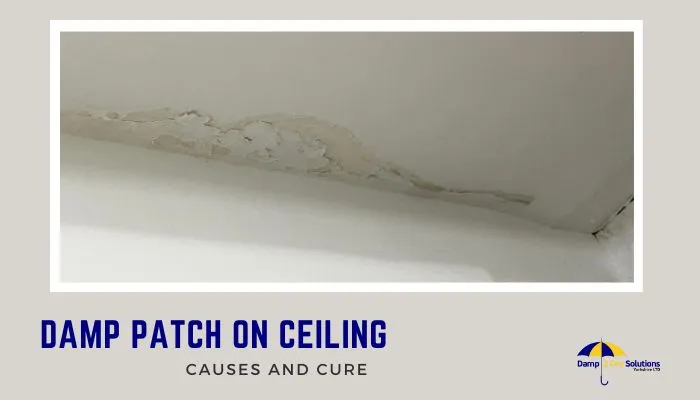
A brown stain on your ceiling demands urgent attention. We explain how to tell if it's an active leak or damp, and the immediate steps to take.
Brown Stain on Ceiling? Stop Guessing, Start Acting
Discovering a brown stain spreading across your ceiling is a red flag you cannot ignore. It’s a visual alarm bell signalling water intrusion, and every minute counts. Is it an active leak from a pipe or appliance above, or a slower issue like condensation or rising damp? The distinction is critical for your response, but the initial action is the same: treat it as an emergency until proven otherwise. Water damage escalates rapidly, threatening structural integrity, causing mould, and leading to costly repairs. We respond 24/7 because leaks don’t respect business hours.
Leak or Damp: The Urgent Diagnostic Signs
While only a professional leak detection engineer can provide a definitive diagnosis, you can make an initial assessment. An active leak typically presents with a stain that is expanding, feels damp or cold to the touch, and may have a central ‘bullseye’ of concentrated moisture. You might hear dripping, see paint bubbling, or notice water actively pooling. This demands an immediate, same-day response. Damp or condensation issues often show as a more widespread, blotchy stain that might feel dry but is recurrent. However, what appears as ‘just damp’ can easily be a slow, hidden leak. Assuming it’s non-urgent is a major risk. Our engineers use advanced thermal imaging and acoustic listening equipment to locate the source without guesswork, day or night.
Immediate Steps Before Our Engineers Arrive
Speed is everything. First, if safe to do so, isolate the water supply to the suspected area or the entire property. This can stop the flow from an active leak instantly. Move any furniture or valuables from beneath the stain and place buckets to catch drips. Do not attempt to puncture the ceiling to ‘release’ water. This can cause sudden collapse. Ventilate the area if possible, but understand that ventilation treats symptoms, not the root cause. Your job is damage limitation; ours is rapid, precise source identification and repair. We are on call around the clock to get to you fast, because containing the problem early saves your property and your wallet.
Why 24/7 Professional Leak Detection Is Non-Negotiable
Attempting to locate a leak yourself often leads to destructive, unnecessary searching. Our emergency response isn’t just about speed; it’s about precision. We deploy non-invasive technology to pinpoint leaks behind plaster, under floors, and within walls with minimal disruption. A delay, even overnight, can allow a small leak to cause extensive secondary damage, including rot, mould growth, and ceiling collapse. We provide an immediate diagnosis and a clear path to repair. Don’t wait for the stain to grow or the drip to become a stream. When you see that stain, call for emergency leak detection, any hour, any day.
How we help with this
If the article describes a problem you actually have, these are the visits that deal with it.
- damp and moisture surveys
Moisture mapping that separates a leak from condensation or damp.
- burst pipe repair
A split or burst pipe isolated and repaired, day or night.
- an emergency plumber in London
Attendance when water is running and damage is still spreading.
Frequently asked questions
How quickly should I respond to a brown ceiling stain?
Treat it as an emergency immediately. Even if it appears dry, an active leak can be hidden. Isolate water if possible and call for professional leak detection without delay to prevent rapid escalation of damage.
Can I fix a ceiling leak myself?
We strongly advise against it. DIY attempts often fail to locate the true source, leading to repeated damage and costly repairs. Our engineers use specialist equipment for precise, non-invasive detection, ensuring the leak is fixed at its origin, not just the symptom.
Are you available for emergency leak detection outside normal hours?
Yes, absolutely. We operate a 24/7 emergency response service because leaks happen at all hours. Our teams are ready to deploy nights, weekends, and holidays to provide fast, accurate leak detection and prevent further damage to your property.