Water Leaks & Electrical Safety: Your Urgent Home Risk Guide
A water leak near your home's electrical systems creates an immediate and dangerous emergency. Here’s what you must do right now and why professional help cannot wait.
Water and Electricity: A 24/7 Emergency Waiting to Happen
When a pipe bursts, a tap fails, or a hidden leak develops, your first thought is water damage. But if that water is near wiring, sockets, fuse boxes, or appliances, the situation instantly escalates. This isn't a 'fix it tomorrow' problem. It's a 'call for help now' emergency. The combination creates severe risks of electrocution and fire that demand an immediate, professional response. Our engineers are on call around the clock because this danger doesn't clock off at 5 PM.
Your Immediate Action Plan: What to Do Right Now
If you suspect water is contacting electrical systems, speed and caution are critical. First, if it is safe to do so and you are not standing in water, turn off the power at the main consumer unit (fuse box). Do not touch switches, sockets, or appliances if you are wet or if water is present. Next, shut off the water supply at the stop tap to prevent further flooding. Then, evacuate the immediate area and call a professional leak detection and repair service immediately. Do not attempt to investigate or repair the leak yourself. Invisible water can track along wiring, creating hidden live hazards.
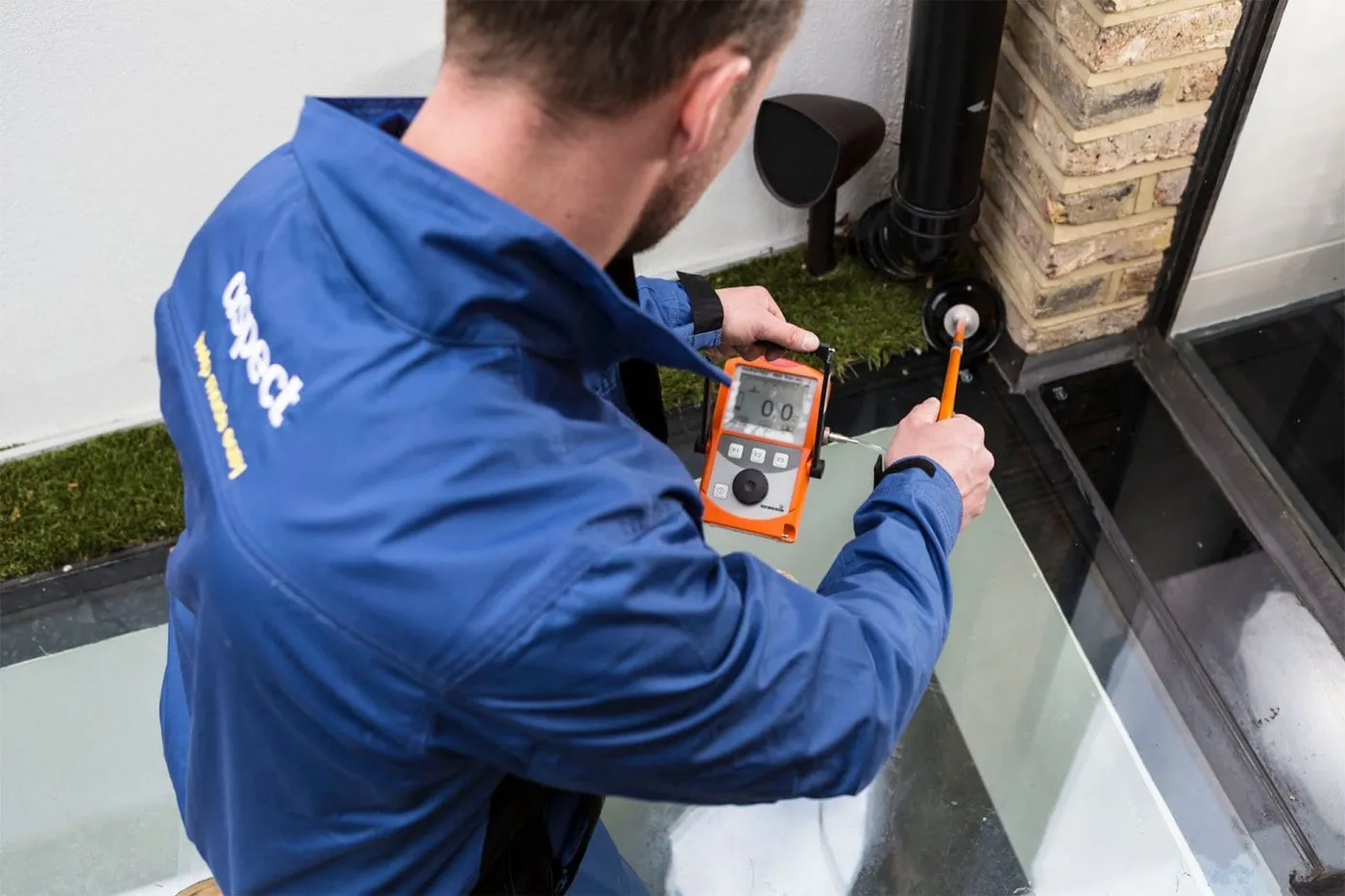
Our emergency teams are equipped to handle this exact scenario. We arrive prepared to locate the leak source with non-invasive technology, assess the electrical risk with the necessary precautions, and make the area safe. We work to stop the water at its source, allowing for safe inspection and repair by qualified electricians. Waiting until morning or the next business day is not an option when every minute increases the risk of a catastrophic fault.
Why Professional Leak Detection is Non-Negotiable
You might mop up visible water, but the real danger often lies out of sight. Water can travel inside walls, along ceiling spaces, and through flooring, silently reaching junction boxes and cable runs. This creates persistent dampness that degrades insulation and can lead to short-circuiting, arcing, and thermal damage long after the initial leak. General plumbers may fix the pipe, but a specialist leak detection engineer understands how to trace the full extent of moisture migration to identify all risk points.
Our approach uses acoustic listening devices, thermal imaging cameras, and moisture meters to pinpoint the leak's origin and map the damp spread without causing unnecessary damage. This forensic tracing is essential for your electrician to know exactly which circuits and fittings need inspection. We provide the clear evidence needed to ensure your home is made permanently safe, not just temporarily dry. Relying on guesswork with water near electricity is a gamble with your property and safety.
Don't downplay a leak, however small it seems, near any electrical fitting. The cost of delay can be devastating. Our 24/7 response is structured for this urgency. We get an engineer to you fast, day or night, to contain the threat and start the secure recovery process. Your safety is the only priority.
How we help with this
If the article describes a problem you actually have, these are the visits that deal with it.
- leak detection in London
Finding a hidden leak without opening the property up first.
- burst pipe repair
A split or burst pipe isolated and repaired, day or night.
- an emergency plumber in London
Attendance when water is running and damage is still spreading.
Frequently asked questions
Is a small leak near a socket really an emergency?
Absolutely. Even a minor drip can travel into the socket backplate or along internal wiring, causing corrosion, short circuits, and fire risk. It requires immediate professional attention to trace the moisture and ensure the circuit is safe.
What should I do if water is leaking from a ceiling light fitting?
This is a critical danger sign. Do not touch the light switch or fitting. Turn off the power at the fuse box for that circuit or the entire house if unsure. Contain the water with a bucket if possible, but avoid standing beneath it. Call for emergency leak detection immediately. The source is likely a pipe in the floor or void above.
Why can't I just let everything dry out and then call an electrician?
Drying out does not remove the risk. Water causes immediate and potential long-term damage to electrical insulation. Corrosion and mineral deposits can create persistent conductive paths, leading to failure or fire weeks later. A leak detection engineer must first locate and stop the source, then a qualified electrician must inspect all affected circuits before power is restored.