Washing Machine or Dishwasher Leak? What to Do Immediately
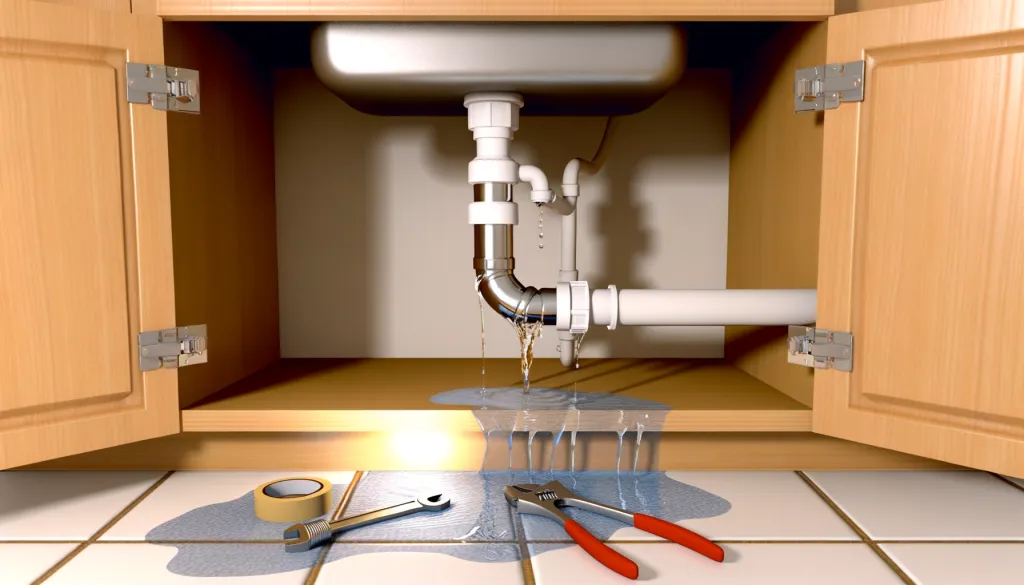
A washing machine or dishwasher leak can flood your home fast. Here's the immediate action to take and why you need emergency leak detection.
Stop the Water, Stop the Damage
You hear the drip or see the puddle. A washing machine or dishwasher leak isn't a tomorrow problem. It's a right-now emergency. Water spreads quickly, damaging floors, ceilings, and walls. The first rule is simple: act fast. Don't wait to see if it gets worse. Every second counts to prevent thousands in structural damage and mould risk.
First, shut off the appliance's water supply. For most machines, you'll find two braided hoses (hot and cold) at the back. Turn the valves clockwise until they stop. If you can't access the valves or they're stuck, you need to find your property's main stopcock and shut off the water to the entire house. This is a drastic step, but it stops the flow immediately.
Next, disconnect the appliance from power. For safety, go to your fuse box and switch off the circuit for your kitchen or utility room. Do not touch the appliance if there is standing water near electrical outlets. Once safe, run the appliance on a short drain cycle if possible to remove any standing water from its drum or tub, but only if the leak source isn't the drain hose itself.
Why a Quick DIY Fix Isn't the Answer
You've contained the immediate crisis. Now, the temptation is to dry the floor, check the hoses, and assume it's fixed. This is where many homeowners get it wrong. A leak is a symptom. The real cause is often hidden. It could be a failed pump seal, a cracked internal tub, a loose connection behind the unit, or a blocked drain line forcing water back out.
Our engineers are called to countless jobs where a small, repeated leak has rotted subfloors or created hidden damp inside walls. By the time it's visible on the ceiling below, the damage is extensive and repair costs soar. True resolution requires professional leak detection. We use acoustic listening equipment, thermal imaging cameras, and tracer gas to pinpoint the exact failure point without destructive guesswork.
This precision is vital. It tells us if you need a simple hose replacement, a new appliance valve, or if the leak is actually from a supply pipe in the wall behind the machine. Guessing wrong means repeat leaks and ongoing damage.
Our 24/7 Emergency Leak Detection Response
Appliance leaks don't respect business hours. They happen at night, on weekends, during holidays. That's why our specialist leak detection team operates around the clock across London. When you call, we dispatch an engineer directly. We don't just bring tools; we bring the technology to find your leak's origin fast.
The process is methodical. We start with a visual inspection, then use non-invasive detection gear. Often, we can locate the source within an hour, saving you days of disruption and containing the damage. Once found, we provide a clear, detailed report and can often execute the repair immediately or advise on the exact part needed, saving you a second call-out.
Delaying a professional diagnosis risks more than water damage. Persistent moisture leads to mould, which poses health risks and becomes incredibly difficult to eradicate. Immediate, expert action protects your property's structure, your health, and your wallet. Don't mop up and hope. Get it diagnosed definitively and fixed for good.
How we help with this
If the article describes a problem you actually have, these are the visits that deal with it.
- our full guide to leak detection
How each method works and when it is the wrong tool for the job.
Frequently asked questions
Should I try to repair the leak myself first?
We strongly advise against it for anything beyond tightening an obviously loose hose connection. Incorrect diagnosis is common. Using the wrong sealant or part can worsen the leak or cause pressure issues. Professional leak detection finds the true source efficiently, preventing repeat damage and costly repairs down the line.
How quickly can you get an engineer to me for an appliance leak?
We treat all appliance leaks as high-priority emergencies. Our 24/7 control centre will dispatch the nearest available specialist engineer to your London address immediately. We prioritise these calls to minimise water damage, aiming for the fastest possible response, day or night.
What if the leak has stopped? Do I still need to call?
Yes. A leak that stops may have been intermittent or may have pooled water out of sight. The fault hasn't magically repaired itself. Hidden moisture will cause rot and mould. Our engineers use thermal imaging to check for residual damp and trace the leak's origin to ensure it is permanently resolved before damage spreads.