Emergency Leak Detection for Restaurants & Commercial Kitchens
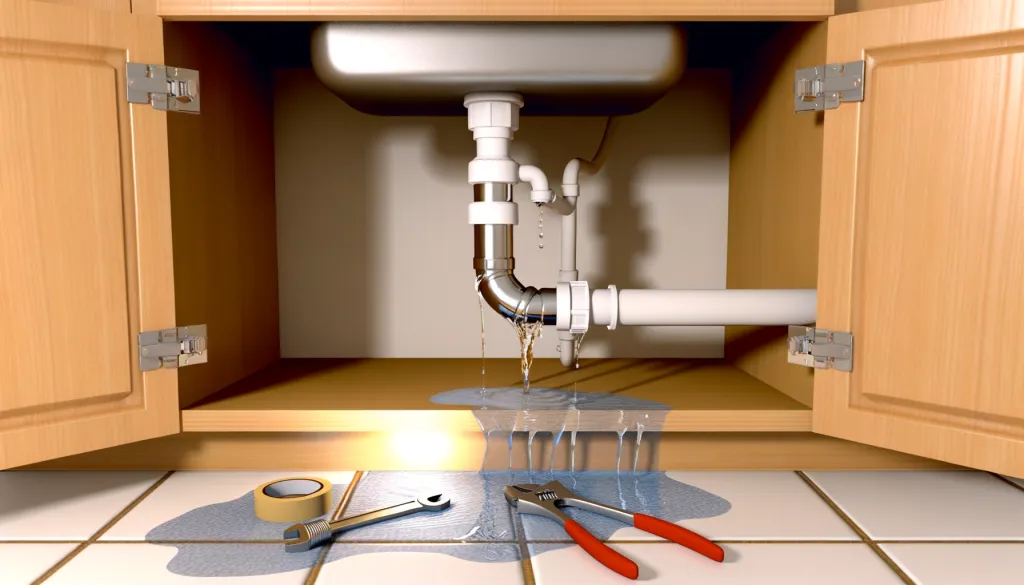
A leak in your restaurant kitchen demands immediate action. Our 24/7 emergency service provides fast, expert leak detection to minimise disruption and damage.
Why Kitchen Leaks Demand Immediate, 24/7 Action
In a restaurant or commercial kitchen, a leak is never just a plumbing issue. It's a business emergency. A burst pipe under a sink, a faulty dishwasher line, or a hidden leak behind a wall can halt service instantly. Water damage destroys stock, damages expensive equipment, and creates hazardous slip risks. More critically, it forces you to close doors, costing you revenue and reputation with every passing hour. That's why our response is built on urgency and availability. We operate 24 hours a day, 7 days a week, because leaks don't respect business hours. When you call, we mobilise immediately.
Our Rapid-Response Detection Process for Commercial Settings
Our engineers are specialists in commercial systems. We arrive equipped with advanced, non-invasive technology like acoustic listening devices, thermal imaging cameras, and tracer gas detection. This allows us to pinpoint the exact source of a leak (whether it's behind a tiled wall, under concrete flooring, or within complex pipework) without unnecessary demolition. Speed is critical, but accuracy is paramount. A misdiagnosis means wasted time and continued damage. We find the leak fast, confirm its source, and give you a clear, actionable plan to fix it. Our goal is to get your kitchen operational with minimal disruption to your service.
We understand the specific pressures of a commercial kitchen environment. Our engineers work efficiently around your schedule, often during quieter periods if possible, but we are ready to act the moment a crisis strikes, day or night. We prioritise containing the water, isolating the problem, and securing the area to ensure staff and customer safety is never compromised.
Beyond the Fix: Protecting Your Business and Compliance
Stopping the water is just the first step. A significant leak in a food service environment carries serious compliance implications. Persistent moisture leads to mould, which can violate health and safety standards and trigger costly environmental health inspections. Structural damage to walls and floors can also breach fire regulations. Our service provides the documentation and repair verification you may need for insurers and authorities. By acting fast and using precise detection methods, we help you avoid the secondary fallout of prolonged water damage: mould remediation, extended closures, and regulatory penalties.
We don't just locate your leak and leave. We ensure the issue is resolved to a standard that safeguards your business continuity. In many cases, we can also advise on preventative measures for your specific plumbing layout to help avoid future emergencies. Protecting your livelihood is our priority. When a leak threatens your kitchen, you need a partner who moves at the speed of your business crisis. Our 24/7 emergency line is always open for that exact reason.
How we help with this
If the article describes a problem you actually have, these are the visits that deal with it.
- burst pipe repair
A split or burst pipe isolated and repaired, day or night.
- commercial leak detection
Offices, shops, restaurants and blocks, including out of hours.
- an emergency plumber in London
Attendance when water is running and damage is still spreading.
Frequently asked questions
Do you offer true 24/7 emergency service for restaurants?
Yes, absolutely. We have engineers on call around the clock, every day of the year, including holidays. We understand that a kitchen leak cannot wait, and we guarantee a rapid response to get your business back up and running.
How quickly can you usually arrive at a commercial site?
Our target is an urgent dispatch. For emergency calls, especially during out-of-hours, we prioritise immediate mobilisation. While exact times depend on location and concurrent emergencies, our system is designed for fastest possible deployment to minimise your downtime.
Your detection methods sound technical. Will you need to tear apart our kitchen?
Our primary goal is minimal disruption. We use non-invasive technology like thermal imaging and acoustic probes to locate leaks precisely without guesswork. This often allows for a targeted, small access point rather than extensive demolition, saving time, mess, and repair costs.