Is High Water Pressure a Bad Sign? Warning Signs, Risks & Fast Fixes
High water pressure isn't just a nuisance. It's a major cause of leaks and pipe damage that demands an immediate, 24/7 emergency response.
Why High Water Pressure Is an Emergency Waiting to Happen
You might think high water pressure is a good thing: strong showers, fast-filling sinks. But in reality, it's a silent saboteur, relentlessly stressing your plumbing. Every joint, valve, and pipe is designed for a safe range, typically between 40-65 PSI. When pressure consistently exceeds that, you're on a fast track to leaks and catastrophic failure. Our emergency leak detection teams see it daily: the burst washing machine hose, the cracked pipe joint, the leaking toilet fill valve, all traceable back to relentless, excessive pressure. The damage doesn't wait for business hours, so neither do we.
The Urgent Warning Signs You Must Not Ignore
Don't wait for a flood. These are the red flags demanding immediate attention. Listen for a persistent hammering or banging in your pipes when you shut off a tap abruptly. This 'water hammer' is pressure shockwaves damaging fittings. Look for leaks sprouting from appliance connections like your washing machine or dishwasher. Check for taps that spit and splutter when turned on. Notice if your pressure relief valve on your boiler or heater is constantly dripping; it's a safety device working overtime. These aren't minor issues. They are your plumbing system screaming under stress, and they require a fast, expert assessment.
Our Fast-Track Response: Diagnosing and Fixing the Pressure Threat
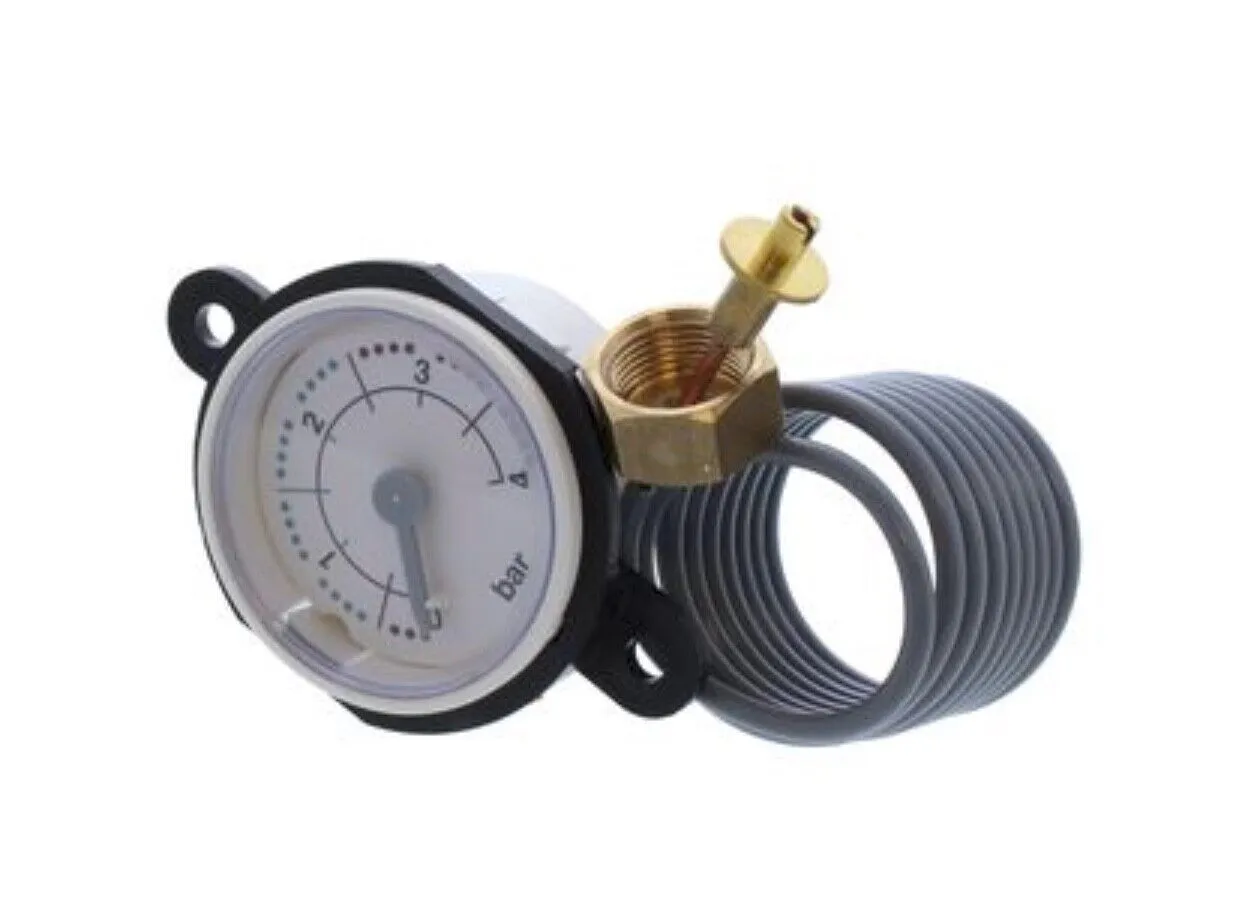
When you call us about suspected high pressure, our engineers move fast. We operate around the clock because a pressure-related failure can happen at any moment. First, we'll accurately test your mains pressure with a gauge. Guessing is not an option. If it's critically high, we look for the root cause: often a faulty pressure regulator (PRV) on your incoming main, or even municipal supply issues. The fix is immediate and decisive. We'll isolate the problem and install or replace a pressure-reducing valve to bring your system back to a safe, stable level. This isn't a 'maybe later' job. It's an urgent intervention to prevent imminent pipe bursts, fixture failures, and the devastating water damage that follows.
Don't Gamble With the Inevitable Leak: Act Now
High water pressure guarantees one thing: eventual failure. It weakens pipes, degrades seals, and turns small weaknesses into major leaks. The cost of inaction is far higher than a prompt, preventative fix. Waiting for a visible leak often means emergency water damage, ruined ceilings, and interrupted supply. Our role is to provide that critical, rapid-response barrier. We stop the pressure at the source, safeguarding your entire plumbing network. If you're seeing the signs, don't schedule an appointment for next week. Call for an emergency assessment now. Our engineers are ready to respond day or night to defuse this ticking time bomb in your walls.
How we help with this
If the article describes a problem you actually have, these are the visits that deal with it.
- acoustic leak detection
Ground microphones and correlators on a pressurised pipe.
- central heating leak detection
For a boiler losing pressure or a circuit that will not hold.
- our full guide to leak detection
How each method works and when it is the wrong tool for the job.
Frequently asked questions
What's considered dangerously high water pressure?
While ideal pressure is 40-65 PSI, anything consistently above 80 PSI is considered high risk. At this level, the strain on pipes, joints, and appliances accelerates dramatically, making leaks and bursts a matter of when, not if. Our emergency teams carry gauges to provide an immediate, accurate diagnosis.
Can I fix high water pressure myself?
Diagnosing and correcting mains water pressure is not a DIY task. It involves working on the main supply line and installing specialist pressure-regulating valves correctly. An incorrect fix can worsen the problem or create a new hazard. This is a job for certified engineers who can ensure a safe, permanent solution under pressure.
Why is a 24/7 response so critical for high pressure issues?
Because the failure it causes is unpredictable and severe. A pipe weakened by high pressure can burst at 3 AM, causing extensive flooding before anyone is awake. Our around-the-clock emergency response means we can diagnose the threat immediately and implement a fix to prevent a disaster, any time of day or night.