How to Tell if a Water Leak is New or Old & What Immediate Action to Take
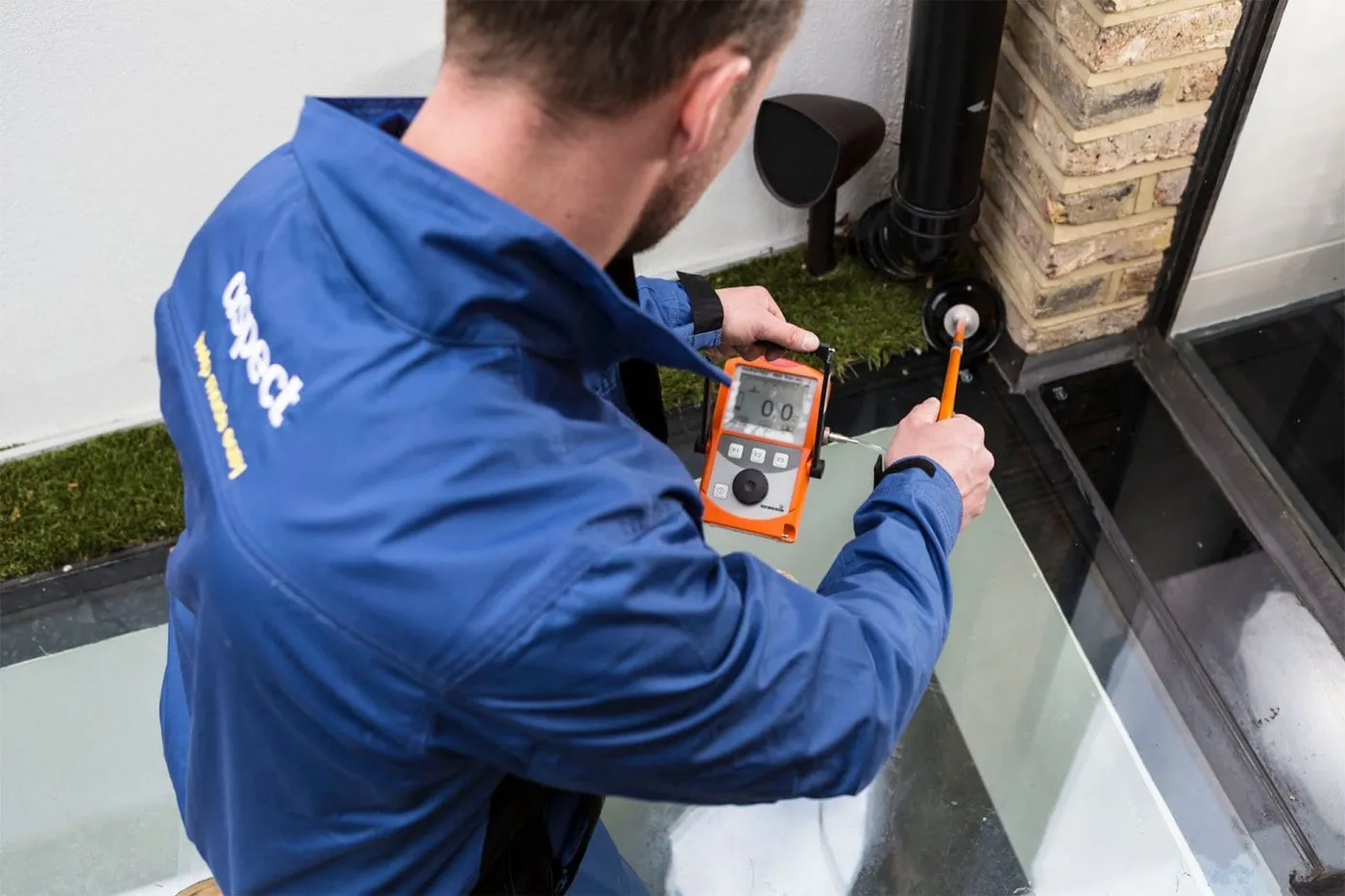
Learn the urgent signs that distinguish a fresh, active leak from a slow, old one, and why immediate 24/7 response is critical to prevent catastrophic damage.
The Critical Difference: Active Leaks vs. Slow Drips
When water appears, every second counts. A fresh, active leak is an emergency that demands an immediate, 24/7 response to prevent structural damage, mould, and sky-high water bills. An older, slower leak still needs fixing, but the urgency scale shifts. Knowing the difference helps you act with the right speed and call for the right level of emergency leak detection.
Urgent Signs of a New, Active Water Leak
These signs scream for an out-of-hours call. If you see a sudden, rapid increase in water flow, hear running water when all taps are off, or notice water staining that is spreading visibly within hours, you have an active breach. A sudden drop in water pressure or a spinning water meter with no water in use are definitive red flags. This isn't a 'tomorrow' problem. Our engineers are geared for this exact scenario: rapid deployment to locate the source and isolate the supply, stopping the damage in its tracks.
Telltale Indicators of an Older, Slow Leak
Older leaks often reveal themselves more subtly. Look for persistent, localised damp patches that don't seem to dry, peeling paint or bubbling plaster in a specific area, or a persistent musty smell that points to long-term moisture. You might see warped flooring or skirting boards that have slowly deformed. While this doesn't require the same midnight scramble as a burst pipe, it cannot be ignored. Left alone, slow leaks silently rot timbers, undermine foundations, and create perfect mould habitats. Our leak detection specialists use advanced acoustic and thermal imaging to find these hidden culprits precisely.
Immediate Action: What to Do the Moment You Suspect a Leak
Speed is everything. First, if safe to do so, locate and turn off your main stopcock to cut the water supply. This immediate action limits the damage. Then, call a 24/7 emergency leak detection service. Do not wait for business hours. Every hour of water flow multiplies the damage and repair cost. Our teams are on the road fast, using non-invasive technology to pinpoint the leak without unnecessary destruction of your property. We don't guess; we locate, so the fix is swift and permanent.
Why 24/7 Professional Response is Non-Negotiable
Guessing the age or location of a leak is a high-stakes risk. What seems like a small stain on a ceiling could be from a leak that travelled down a joist, meaning the source is metres away. Professional leak detection provides certainty. Our engineers arrive equipped to diagnose not just the 'where' but often the 'how long' based on water volume, damage patterns, and moisture readings. This forensic approach informs the right, rapid repair. In London, where property values are high and structures are complex, a delay is a direct financial blow. We provide the urgent answer and the urgent solution, any day, any hour.
How we help with this
If the article describes a problem you actually have, these are the visits that deal with it.
- our full guide to leak detection
How each method works and when it is the wrong tool for the job.
- leak detection in London
Finding a hidden leak without opening the property up first.
Frequently asked questions
My ceiling has a brown stain but no dripping. Is this urgent?
A stable, dry brown stain often indicates a past leak that may have been repaired above. However, if the stain is damp, spreading, or newly appeared, it signals an active leak right now. Poke it lightly. If plaster feels soft or crumbly, water is likely present. Don't wait for a collapse; call for leak detection immediately to assess the source and activity.
I hear water running in the pipes but all taps are off. What does this mean?
This is a major red flag for an active, hidden leak under floors or behind walls. It means water is flowing under pressure from a broken pipe. Turn off your main stopcock immediately. If the sound stops, you've confirmed a supply-side leak. This is a 24/7 emergency. Call for urgent leak detection to locate the breach before it causes catastrophic damage.
Can you tell how old a leak is when you arrive?
Our engineers use moisture probes, thermal imaging, and visual forensic clues to gauge the duration and activity level of a leak. We assess water volume, material saturation, mould growth patterns, and the spread of staining. This tells us if we're dealing with a fast-moving emergency requiring immediate intervention or a slower issue that still needs precise repair. The key is getting a professional diagnosis on site, fast.