How to Find a Leak Behind a Wall: A Guide to Urgent Detection
A hidden leak behind a wall is a ticking time bomb. We outline the urgent signs and why immediate professional detection is critical to prevent catastrophic damage.
When a Wall Leak Becomes a 24/7 Emergency
You hear a faint drip inside the wall, spot a mysterious damp patch, or your water bill suddenly skyrockets. A hidden leak is a silent crisis. Water doesn't stop for the weekend or business hours. It seeps into structural timbers, saturates plaster, and fuels mould growth around the clock. Waiting until morning can mean the difference between a localised repair and a major, costly rebuild. Our engineers respond to these emergencies day and night because speed is the only way to contain the damage.
Urgent Signs You Have a Leak Behind Your Wall
Your walls are talking. Listen for these urgent warnings. Unexplained sounds of running or dripping water when all taps are off are a major red flag. Visible signs include damp patches, blistering paint, or wallpaper that's peeling or bulging for no reason. A persistent musty smell often indicates mould growth from constant moisture. Critically, check your water meter. Turn off all water-using appliances and watch the meter. If it's still moving, you have a confirmed leak somewhere in the system demanding immediate investigation.
Don't start tearing into plasterboard or drilling exploratory holes. This often worsens the problem, causing more damage and complicating the detection process for professionals. Your first action should be to locate and turn off your main stop tap to halt the water flow, then call for expert leak detection. Every minute the water runs increases the risk.
How Our Engineers Find Hidden Leaks Fast
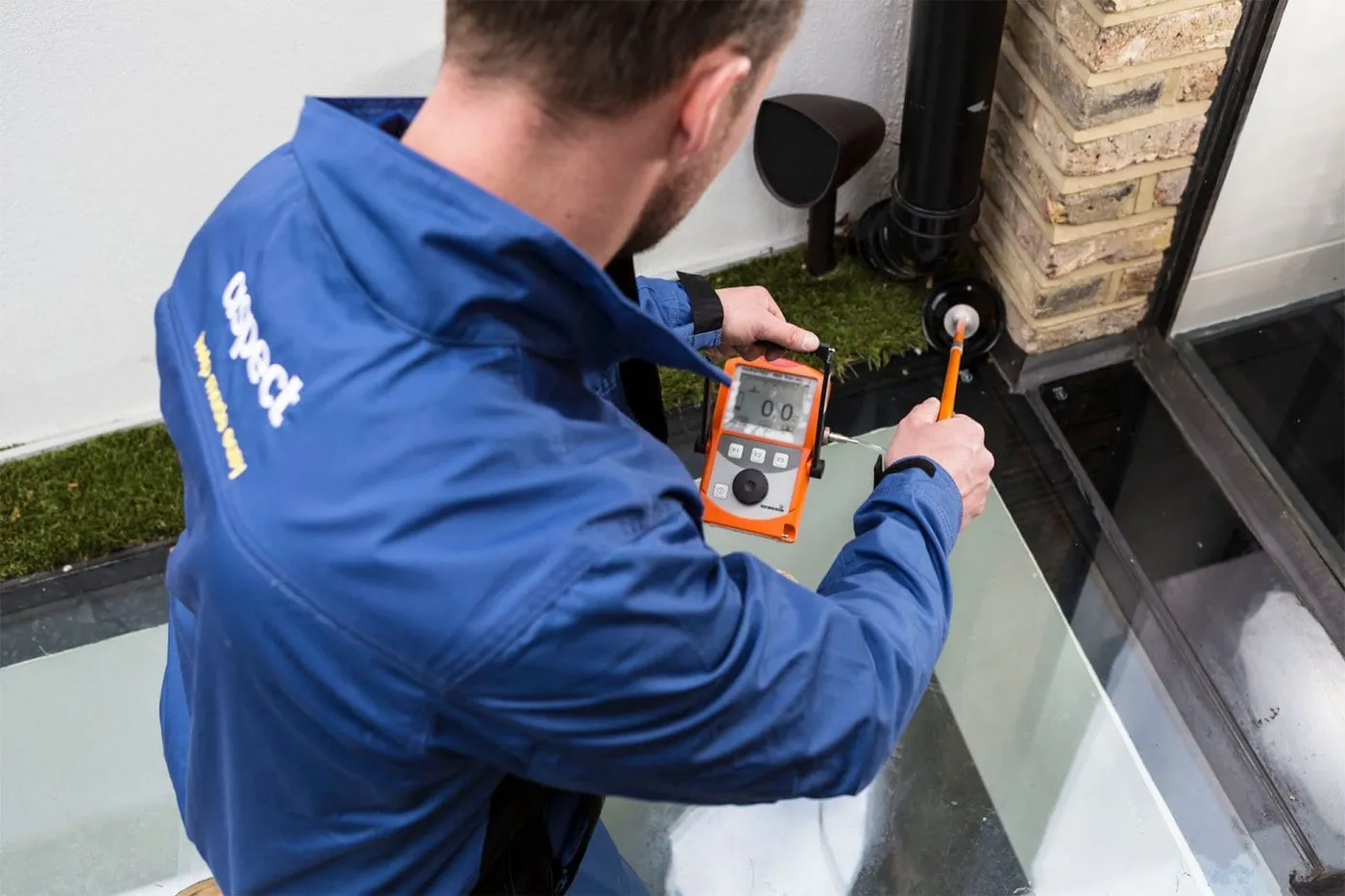
We don't guess; we use precise, non-invasive technology to locate the leak's exact source with minimal disruption. This is where our 24/7 availability is crucial. Our engineers arrive equipped with acoustic listening devices to pinpoint the sound of water escaping under pressure, even through several layers of material. Thermal imaging cameras reveal temperature differences caused by dampness and evaporating water behind the wall, creating a clear visual map of the leak's spread.
For precise pinpointing, we use tracer gas technology. We inject a safe, inert gas into your plumbing lines. This gas escapes at the leak point and is detected by our sensitive sensors through the wall, identifying the exact breach location without a single brick being removed. This targeted approach means we can expose only the area necessary for the repair, saving your property from unnecessary damage and speeding up the entire restoration process dramatically.
Time is structural integrity. Time is preventing black mould. From the moment you call our emergency line, our goal is to locate, diagnose, and provide a solution roadmap with maximum speed. A hidden leak is an active threat, and our response is built to match its urgency.
How we help with this
If the article describes a problem you actually have, these are the visits that deal with it.
- leak detection in London
Finding a hidden leak without opening the property up first.
- our full guide to leak detection
How each method works and when it is the wrong tool for the job.
- burst pipe repair
A split or burst pipe isolated and repaired, day or night.
Frequently asked questions
Can I find the leak myself to save time?
While you can check for obvious signs, precise location requires specialist equipment. Attempting to open walls blindly often causes significant extra damage and delays the proper repair. For a swift, accurate resolution, professional detection is essential.
How quickly can someone come out for a suspected wall leak?
We treat hidden leaks as emergencies. Our engineers are on call 24 hours a day, 7 days a week, including weekends and holidays. We dispatch teams rapidly to contain damage, often arriving within hours of your call, day or night.
Is the leak detection process disruptive?
No. Our primary methods are non-invasive, using technology like thermal imaging and acoustic sensors from outside the wall. This allows us to find the leak's exact source with minimal disruption, so repairs can be targeted and far less destructive than a search-and-destroy approach.