A step-by-step guide to safely bleeding your radiators and restoring heat fast. When DIY isn't enough, our emergency engineers are on call.
Cold Radiators? Act Fast to Bleed Them Properly
When your radiator is cold at the top, you're losing heat and wasting money. Trapped air creates a blockage that stops hot water circulating. Bleeding the radiator releases that air, allowing your system to function at full capacity again. This is a task you can often handle immediately, preventing a minor issue from escalating into a major heating failure. Our engineers respond to countless calls where a simple bleed could have restored warmth, but hesitation led to a full system shutdown. Don't wait for the problem to spread.
Your Step-by-Step Guide to Safe, Effective Bleeding
First, gather your tools: a radiator key (available from any hardware store) and a dry cloth or small container. Never attempt this on a hot system. Turn your central heating off completely and let the radiators cool down. This is crucial for safety and prevents you from being scalded by hot water. Starting at the lowest floor, locate the bleed valve, usually a small square nipple at the top of the radiator. Place your cloth or container underneath to catch any drips.
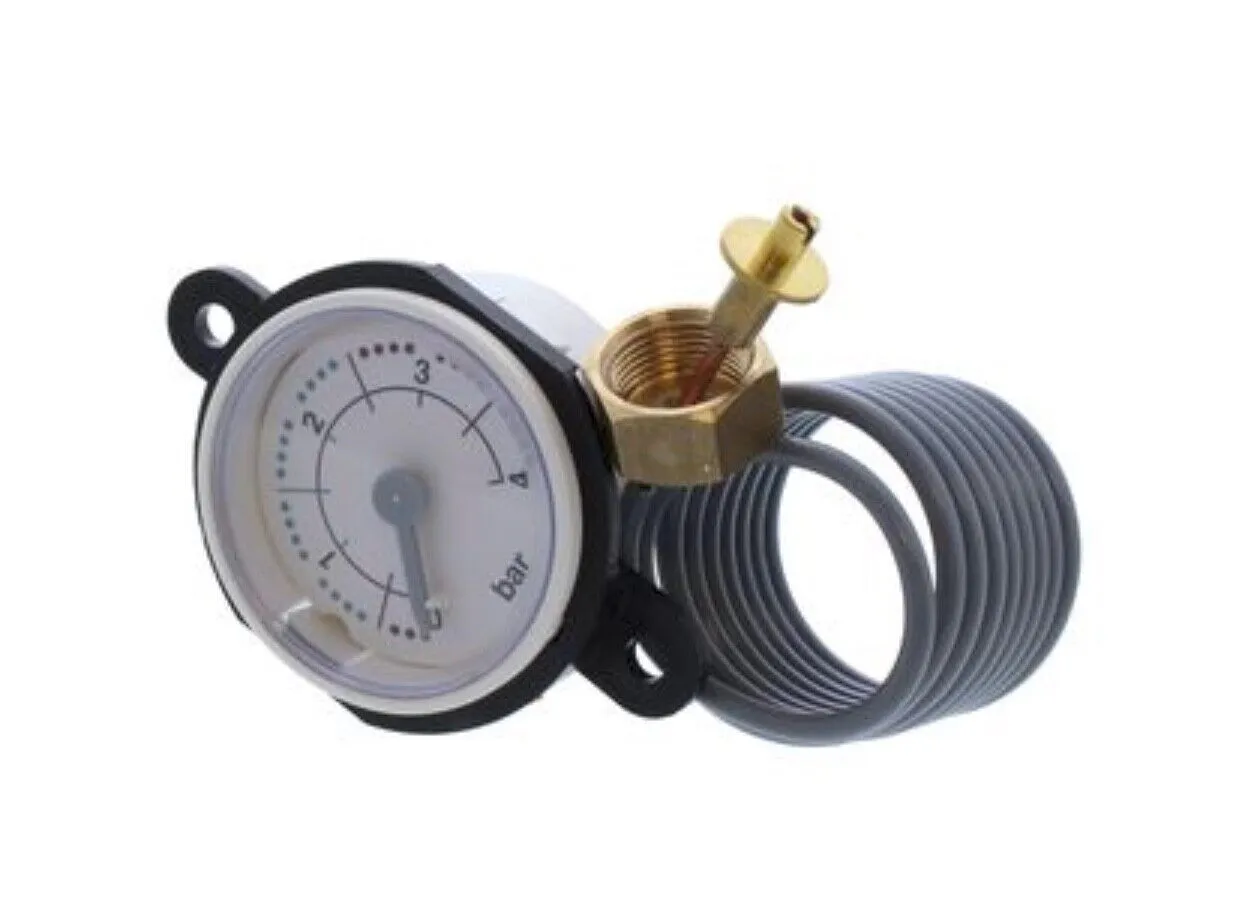
Insert the key and turn it slowly anti-clockwise. You'll hear a hissing sound as the trapped air escapes. Keep turning until a steady trickle of water appears. This means all the air is out. Immediately tighten the valve clockwise firmly, but do not over-tighten. Wipe away any spilled water to prevent corrosion. Once you've bled all problematic radiators, check your system's pressure gauge. It may have dropped during the process and need repressurising via the filling loop to the manufacturer's specified level.
When DIY Bleeding Isn't Enough: Call For Emergency Back-Up
If you've bled the radiators but they still won't heat up, or if you see a constant leak from the valve, it's time for professional intervention. A persistent cold spot can indicate a deeper issue like sludge buildup or a faulty pump. A leaking bleed valve needs immediate sealing or replacement to prevent water damage to your floors and property. These are not problems you can wait out. Left unresolved, low pressure from a leak can cause your boiler to shut down entirely, leaving you without heat or hot water.
This is where our 24/7 emergency response makes the difference. We treat every heating failure as urgent because we know how quickly comfort and safety deteriorate without it. Our engineers are dispatched around the clock, equipped to diagnose the root cause, whether it's a simple valve repair, a powerflush for sludge, or a pressure issue. We don't just fix the symptom; we ensure your entire system is restored to safe, efficient operation so you can get back to normal without delay.
Don't Let a Simple Fix Become a Major Emergency
Bleeding your radiators is a straightforward first response. It puts control back in your hands and can often resolve the issue in minutes. However, recognising when the job is beyond a DIY fix is just as important. Continuous cold, recurring air, or any sign of water escape are clear signals to call in the professionals. Delaying can turn a minor leak into significant property damage or a heating fault into a complete system breakdown. For immediate support when your own actions aren't enough, our team is on standby day and night to get your heat flowing again.
How we help with this
If the article describes a problem you actually have, these are the visits that deal with it.
- our full guide to leak detection
How each method works and when it is the wrong tool for the job.
- central heating leak detection
For a boiler losing pressure or a circuit that will not hold.
Frequently asked questions
How do I know if my radiator needs bleeding?
The most common sign is your radiator feeling cold at the top while the bottom remains warm. You might also hear gurgling or knocking noises from the system, or notice your heating is generally less effective than usual.
What should I do if water keeps leaking from the bleed valve after I close it?
A persistent leak from the valve is an emergency. It indicates the valve is faulty or not properly sealed. Turn off your heating system immediately to reduce pressure and water flow, and call a professional engineer without delay to prevent water damage.
I've bled all my radiators but my heating still isn't working properly. What's wrong?
This points to a more serious underlying issue. Possible causes include low system pressure, a broken pump, or extensive sludge blockage in the pipes. Continuing to run the system in this state can cause further damage. You need a professional engineer to diagnose and resolve the fault urgently.