How Fast Should an Emergency Plumber Arrive in London? Urgent Response Times Explained
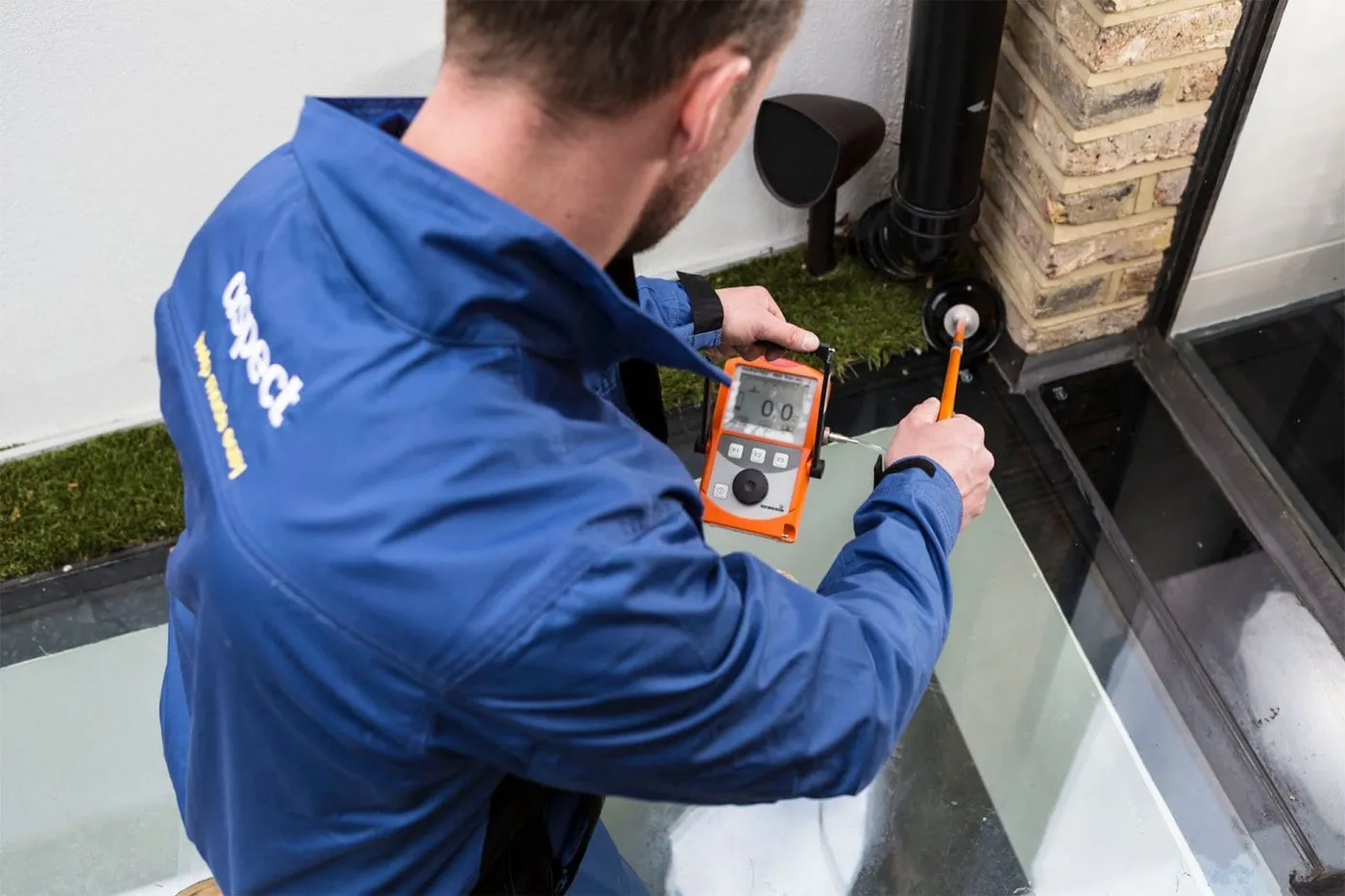
When a pipe bursts or a leak floods your home, every minute counts. We explain the critical response times you should expect from a true emergency plumbing service in London.
London Emergencies Don't Wait for Office Hours
When water is pouring through a ceiling or a burst pipe is flooding your property, time is the one thing you don't have. In a city like London, where properties are often densely packed and water damage can spread rapidly to neighbouring units, a fast response isn't just convenient. It's essential to prevent catastrophic structural damage and mould growth. The core question for any homeowner or property manager is: once we make the call, how long should we realistically wait?
The Gold Standard for Emergency Plumbing Response
So, how fast should an emergency plumber arrive? In a genuine, life-disrupting emergency (think major leaks, complete loss of water control, or sewage backup) you should expect a team to be mobilised immediately. The industry standard for critical situations is a commitment to be on the road and en route to your London address without delay after your call. Our engineers are strategically located across the capital and operate 24 hours a day, 7 days a week, specifically to cut down travel time when every second of water flow means more damage.
We're not talking about a next-day appointment or a vague 'sometime this afternoon' window. True emergency response means treating your crisis with the urgency it demands. The goal is to have a skilled technician on-site to stop the flow of water, contain the damage, and assess the situation at the earliest possible moment. This immediate action is what separates an emergency service from a standard plumbing call-out.
What Impacts Response Time in London?
While the aim is always the fastest possible arrival, certain factors within London can influence travel time. Traffic conditions, especially during peak hours, are a reality. A reliable emergency service will account for this by having multiple teams stationed in different zones. The nature of the emergency you describe on the phone also matters. By providing clear details, our dispatchers can prioritise the most severe cases, ensuring resources are directed where the risk of immediate property damage is highest.
The key is transparency and communication. A professional emergency plumbing service should give you a clear, honest expectation of arrival time when you call, and keep you updated if any unforeseen delays occur. You should never be left wondering if or when someone is coming.
Ultimately, speed is about minimising damage. A rapid response to isolate the problem prevents a small leak from becoming a major flood, saves thousands of pounds in repairs, and preserves the safety and integrity of your property. When you call for an emergency plumber in London, you're paying for urgency and peace of mind. That peace of mind starts the moment you know a team is speeding to your location to take control of the situation.
How we help with this
If the article describes a problem you actually have, these are the visits that deal with it.
- an emergency plumber in London
Attendance when water is running and damage is still spreading.
- burst pipe repair
A split or burst pipe isolated and repaired, day or night.
- our full guide to leak detection
How each method works and when it is the wrong tool for the job.
Frequently asked questions
Do you offer 24/7 emergency call-outs in London?
Yes, we operate a 24-hour, 7-day-a-week emergency response service across London. Our teams are always on standby for sudden leaks, bursts, and flooding incidents, day or night, including weekends and bank holidays.
What qualifies as a plumbing emergency that needs a fast response?
Situations requiring immediate attention include major leaks you can't control, burst pipes, flooding that threatens property or electrical safety, complete blockages causing sewage backup, and loss of all hot water in some circumstances. If water is actively causing damage or poses a health risk, it's an emergency.
What should I do while waiting for the emergency plumber to arrive?
First, if safe to do so, locate and turn off the main water stopcock to halt the flow of water. Move valuables and furniture away from the affected area. Contain smaller leaks with towels and buckets. Avoid touching any wiring or electrical fixtures near the water. Our team will guide you through these immediate steps when you call.